Vietnam's retail landscape is undergoing a profound transformation, shifting from traditional wet markets and small family-owned stores toward a modern, dynamic sector driven by digital innovation. This evolution is not merely a trend but a strategic response to changing consumer behaviors, increased internet penetration, and fierce market competition. As the country's economy continues to grow, both domestic and international retailers are racing to implement digital solutions to capture market share and enhance customer experiences.
The push toward modernization is largely fueled by Vietnam's young, tech-savvy population. Over 70% of the population is under the age of 35, and smartphone usage is ubiquitous. This demographic is increasingly comfortable with online shopping, mobile payments, and social media commerce. Retailers who fail to adapt to these preferences risk being left behind. Companies are no longer asking if they should digitize, but how quickly they can do it.
One of the most visible changes has been the rapid expansion of e-commerce platforms. Major players like Lazada, Shopee, and Tiki have become household names, offering everything from groceries to electronics with just a few clicks. These platforms are not only convenient but also provide a level of choice and price transparency that traditional retail struggles to match. Meanwhile, domestic giants such as Mobile World and VinCommerce are aggressively developing their own online channels to complement their physical stores.
Beyond e-commerce, retailers are investing heavily in omnichannel strategies. The goal is to create a seamless shopping experience whether the customer is online, on a mobile app, or in a physical store. For example, Masan Group's WINLife ecosystem integrates offline retail points with digital platforms, allowing consumers to shop, pay bills, and access financial services through a single interface. This approach blurs the lines between physical and digital retail, offering unprecedented convenience.
Another critical area of digital transformation is supply chain and inventory management. Advanced data analytics and AI are being deployed to predict demand, optimize stock levels, and reduce waste. This is particularly important in the fast-moving consumer goods sector, where product lifecycles are short and consumer preferences can shift rapidly. Real-time data allows retailers to respond with agility, ensuring that popular items are always in stock while minimizing overstock of slower-moving products.
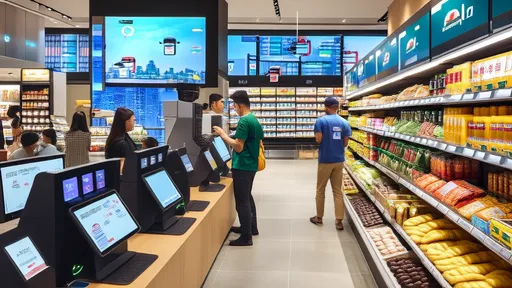
Payment systems are also at the forefront of this digital revolution. Cash-on-delivery, once the dominant method, is gradually being supplemented—and in some cases replaced—by digital wallets, QR code payments, and bank transfers. Companies like MoMo and ZaloPay are leading the charge, partnering with retailers to offer fast, secure, and cashless transactions. This shift not only improves the customer experience but also provides retailers with valuable data on purchasing patterns.
Social commerce is emerging as a powerful force in Vietnam's retail sector. Platforms like Facebook, Instagram, and Zalo are not just for socializing; they have become vibrant marketplaces where small businesses and individual sellers thrive. Live streaming sales, in particular, have gained massive popularity, allowing sellers to interact with customers in real-time and demonstrate products. This trend is empowering a new generation of entrepreneurs and further accelerating the digitization of retail.
However, the path to digital transformation is not without challenges. Infrastructure gaps, particularly in rural areas, can limit the reach of e-commerce. Logistics and delivery networks are still developing, and last-mile delivery remains a hurdle for many retailers. Additionally, concerns about data security and consumer privacy need to be addressed to build trust in digital platforms. Overcoming these obstacles requires collaboration between the government, private sector, and technology providers.
The Vietnamese government has recognized the importance of a digital economy and is actively supporting the retail sector's transformation. Initiatives like the National Digital Transformation Program aim to promote digital payments, enhance digital skills, and improve the overall business environment. These efforts are creating a favorable landscape for retailers to innovate and grow.
Looking ahead, the pace of change is only expected to accelerate. Technologies like artificial intelligence, the Internet of Things, and blockchain are poised to further revolutionize how retailers operate and engage with customers. The retailers who succeed will be those who can not only adopt new technologies but also use them to create genuine value for consumers. The future of Vietnamese retail is digital, and the race is on to define what that future will look like.
In conclusion, Vietnam's retail sector is at a pivotal moment. The shift toward modernization and digitalization is reshaping the industry, creating new opportunities and challenges for businesses of all sizes. By embracing innovation and focusing on the needs of the connected consumer, retailers can not only survive but thrive in this new era. The transformation is well underway, and its impact will be felt for years to come.

By /Nov 4, 2025

By /Nov 4, 2025
By /Nov 4, 2025
By /Nov 4, 2025

By /Nov 4, 2025

By /Nov 4, 2025

By /Nov 4, 2025

By /Nov 4, 2025

By /Nov 4, 2025

By /Nov 4, 2025

By /Nov 4, 2025

By /Nov 4, 2025

By /Nov 4, 2025

By /Nov 4, 2025

By /Nov 4, 2025

By /Nov 4, 2025

By /Nov 4, 2025

By /Nov 4, 2025

By /Nov 4, 2025

By /Nov 4, 2025