Prime Minister Pham Minh Chinh has declared Vietnam's unwavering determination to launch its first international financial center by November, marking a pivotal moment in the country's economic transformation. The announcement came during a high-level government meeting where the Prime Minister emphasized the strategic importance of this project for Vietnam's long-term development and global economic integration. This ambitious initiative represents the culmination of years of planning and preparation, positioning Vietnam to compete with established financial hubs in the region.
The proposed international financial center, to be located in Ho Chi Minh City, aims to create a comprehensive ecosystem for financial services, banking, insurance, and capital markets. Government officials have been working tirelessly to create the necessary legal framework and infrastructure to support this massive undertaking. The Prime Minister stressed that this is not merely about building physical infrastructure but about creating an environment that attracts global financial institutions, fosters innovation, and establishes Vietnam as a credible player in international finance.
Economic analysts have noted that the timing of this announcement is significant, coming at a moment when global financial flows are undergoing substantial reconfiguration. Many international investors are looking for new opportunities in Southeast Asia, and Vietnam hopes to capture a significant portion of this capital. The government has been studying successful models from Singapore, Hong Kong, and Dubai while adapting lessons to Vietnam's unique economic context and development needs.
Preparations for the financial center have accelerated dramatically in recent months, with multiple working groups coordinating between various government ministries and private sector stakeholders. The State Bank of Vietnam has been particularly active in drafting new regulations that will govern foreign financial institutions operating within the center. These regulations aim to strike a balance between maintaining financial stability and creating an attractive business environment for international players.
The government has identified several key advantages that Vietnam brings to this endeavor, including its strategic geographic location, young and dynamic workforce, and rapidly growing economy. Additionally, the country's successful management of economic challenges in recent years has bolstered international confidence in its governance capabilities. Foreign direct investment has continued to flow into Vietnam despite global economic uncertainties, demonstrating the international business community's positive perception of the country's prospects.
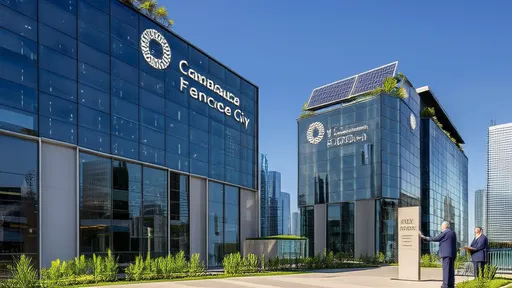
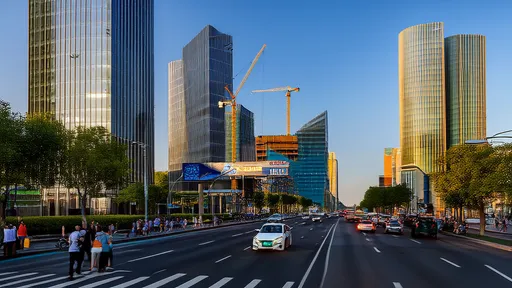
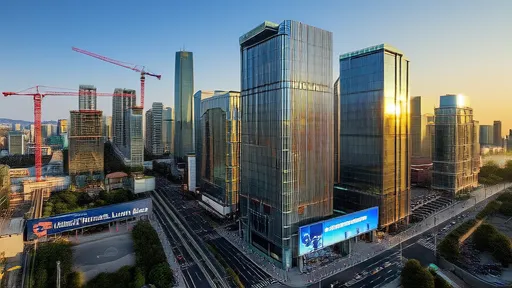
Infrastructure development around the proposed financial district has been progressing at an impressive pace, with new office towers, residential complexes, and transportation links taking shape. The government has allocated substantial resources to ensure that the physical infrastructure meets international standards and can support the sophisticated needs of global financial institutions. Special attention has been paid to digital infrastructure, recognizing that modern financial centers require robust technological foundations.
International financial experts who have been consulted on the project have expressed both optimism and caution. While acknowledging Vietnam's potential, they have emphasized the challenges of building a financial center from scratch. Regulatory transparency, legal certainty, and human capital development have been identified as critical areas requiring continued attention. The government has acknowledged these challenges and has committed to addressing them systematically.
Human resource development represents one of the most ambitious aspects of the preparation process. Vietnam has launched multiple initiatives to train financial professionals, including partnerships with international educational institutions and recruitment programs targeting Vietnamese financial experts working abroad. Several major universities have expanded their finance and banking programs, while specialized training centers have been established to develop the specific skills required in international financial services.
The government's approach to regulatory framework development has been notably comprehensive. Rather than simply copying existing models, Vietnamese authorities have sought to create a regulatory environment that combines international best practices with local realities. This includes special provisions for financial innovation, digital assets, and sustainable finance – areas where Vietnam hopes to establish competitive advantages. The legal team working on these regulations includes both domestic experts and international consultants with experience in major financial centers.
Industry response to the announcement has been generally positive, with several major international banks and financial institutions expressing interest in establishing operations in the new center. Preliminary discussions have been held with potential anchor tenants, though specific commitments are expected to follow the formal launch. The government has designed attractive incentive packages, including tax benefits and streamlined administrative procedures, to encourage early participation.
Regional implications of Vietnam's financial center initiative are significant, potentially altering the competitive landscape of Southeast Asian finance. While Singapore remains the dominant financial hub in the region, Vietnam's entry could capture specific market segments, particularly those related to emerging markets financing and sustainable investment. Some analysts suggest that Vietnam might position itself as a complementary rather than directly competitive center, focusing on serving the specific needs of the Mekong region and connecting it to global capital markets.
The environmental and social dimensions of the project have not been overlooked. The government has committed to making the financial center a model of sustainable development, incorporating green building standards and promoting environmental, social, and governance principles in its operations. This alignment with global sustainability trends is seen as crucial for attracting modern investors who increasingly prioritize these considerations in their investment decisions.
Implementation challenges remain substantial, with the compressed timeline presenting particular pressure. The government has established a special task force reporting directly to the Prime Minister to coordinate all aspects of the preparation process. This high-level oversight is intended to break through bureaucratic obstacles and ensure that all necessary components come together seamlessly by the November deadline.
International observers will be watching closely as Vietnam moves toward its November target. Success would represent a major achievement in the country's economic development journey, while any significant delays or shortcomings could affect international confidence. The government appears aware of these stakes and has mobilized considerable political will and resources behind the project.
The broader economic context provides both opportunities and challenges for Vietnam's financial center ambitions. Global economic uncertainty and shifting trade patterns create demand for new financial hubs, but also increase competition as other countries pursue similar strategies. Vietnam's relatively stable political environment and consistent economic growth provide important advantages in this competitive landscape.
As the November deadline approaches, activity around the financial center project has intensified. Final regulatory approvals are being processed, infrastructure projects are entering their completion phases, and marketing efforts targeting international financial institutions are expanding. The government has scheduled a series of high-profile events in the coming months to build momentum and demonstrate progress to both domestic and international audiences.
The success of Vietnam's international financial center will ultimately depend on multiple factors beyond the November launch. Building credibility and trust in financial markets takes time, and the government recognizes that the real work begins after the official opening. However, the determination expressed by Prime Minister Pham Minh Chinh suggests that Vietnam is prepared for the long-term commitment required to establish itself as a significant player in global finance.
This project represents more than just economic development – it symbolizes Vietnam's aspirations for greater global integration and influence. The international financial center serves as a concrete manifestation of the country's broader strategic vision, positioning Vietnam not just as a manufacturing hub but as a center for high-value services and financial innovation. The coming months will be crucial in determining whether this vision can be translated into reality.

By /Nov 4, 2025

By /Nov 4, 2025
By /Nov 4, 2025

By /Nov 4, 2025
By /Nov 4, 2025

By /Nov 4, 2025
By /Nov 4, 2025

By /Nov 4, 2025

By /Nov 4, 2025

By /Nov 4, 2025

By /Nov 4, 2025
By /Nov 4, 2025

By /Nov 4, 2025
By /Nov 4, 2025

By /Nov 4, 2025
By /Nov 4, 2025

By /Nov 4, 2025

By /Nov 4, 2025

By /Nov 4, 2025

By /Nov 4, 2025