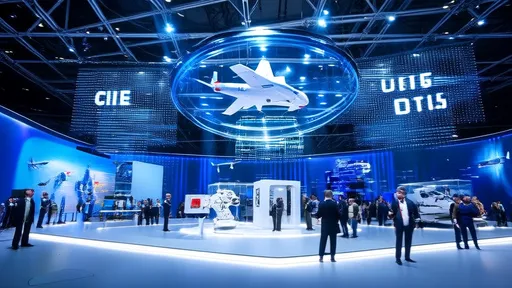
The sprawling exhibition halls of the National Exhibition and Convention Center in Shanghai hummed with a distinct energy this year, a palpable sense of forward momentum against a backdrop of global economic headwinds. The China International Import Expo (CIIE), now a firmly established fixture on the international trade calendar, positioned itself not merely as a marketplace, but as a powerful statement of intent. In an era marked by supply chain disruptions, inflationary pressures, and a creeping tide of protectionist sentiment, the message emanating from Shanghai was one of resolute openness and collaborative growth. The central theme, "Joining Hands to Share a Brighter Future," was more than a slogan; it was a strategic framework for navigating uncertainty through mutual benefit, with China articulating a clear ambition to work with all parties to collectively "make the global market pie bigger."
The global economic landscape is undeniably fraught with challenges. Geopolitical tensions have frayed the intricate web of international trade, while post-pandemic recovery has been uneven and sluggish in many parts of the world. Central banks are grappling with inflation, and businesses face the dual pressures of rising costs and dampened consumer confidence. In such a climate, the instinct for many nations can be to retreat, to erect barriers and prioritize short-term national interests over long-term global cooperation. It is precisely this zero-sum mindset that the CIIE seeks to counter. The very existence of an import-focused expo, hosted by the world's second-largest economy, is a powerful rebuttal to isolationism. By creating a dedicated platform for the world to sell to China, the event reframes the narrative of global trade from one of competition over a fixed pie to one of collaboration to expand it.
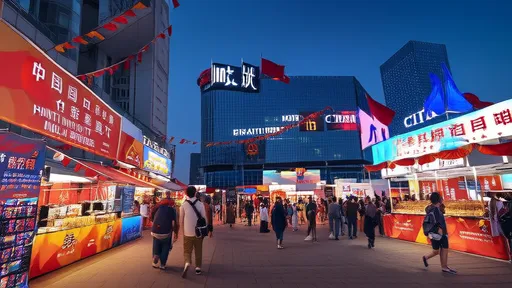
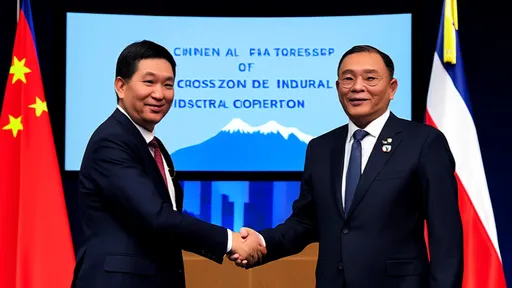
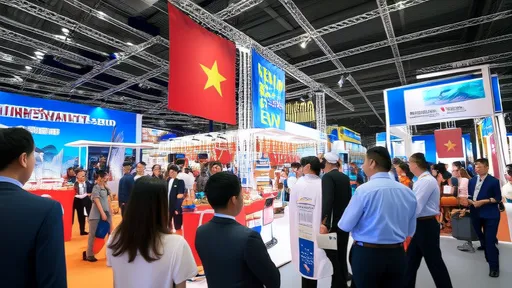
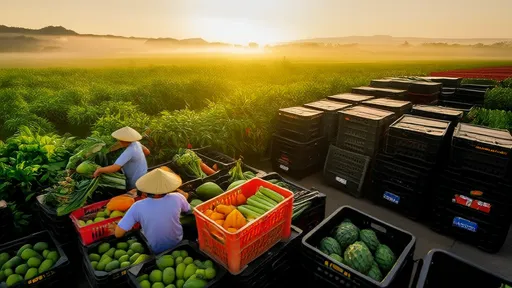
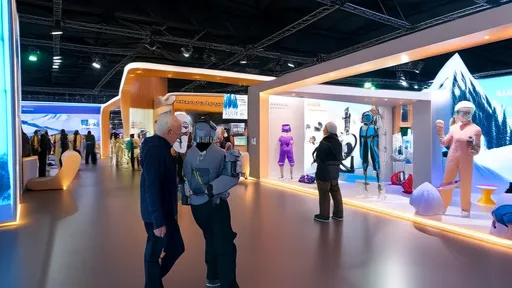
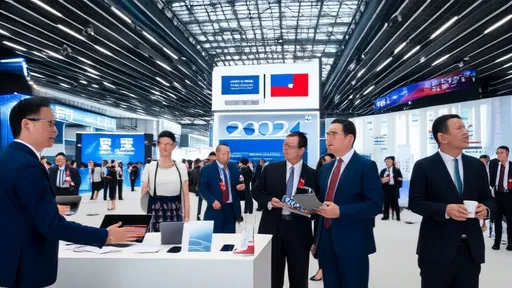
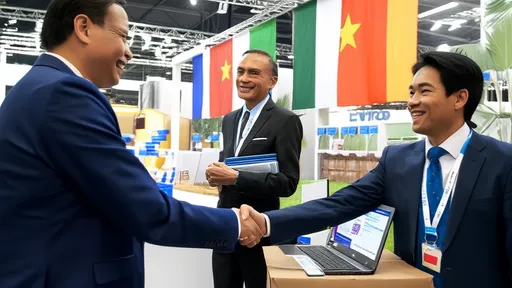
This philosophy of shared prosperity was embedded in the fabric of the event. The scale was staggering, with hundreds of thousands of square meters of exhibition space dedicated to everything from advanced industrial machinery and integrated circuits to agricultural products and consumer goods. For many of the over 3,000 exhibiting companies, more than half of which were participating for the first time, the CIIE represented a direct conduit into the heart of the Chinese consumer market. Executives from European luxury brands, Southeast Asian fruit growers, and American tech startups all echoed a similar sentiment: access to China is not a luxury, but a critical component of their global growth strategy. The expo facilitated more than just transactions; it fostered partnerships, with countless business matchmaking forums and signing ceremonies taking place on the sidelines, translating the abstract ideal of "win-win" into tangible commercial contracts.
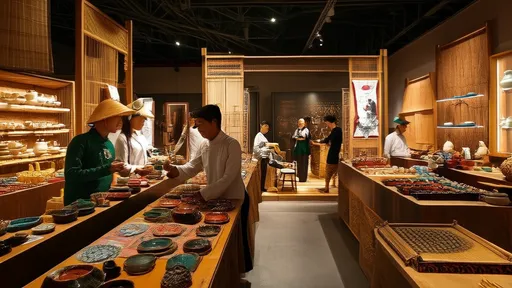
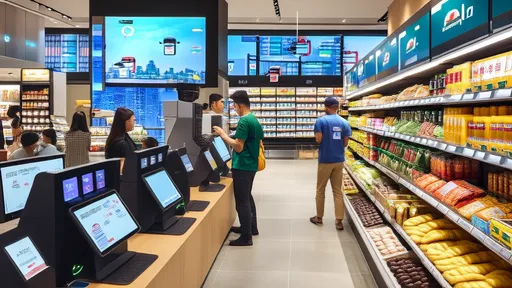
The commitment to "making the pie bigger" is underpinned by concrete policy shifts and market realities within China. The country is in the midst of a profound economic transition, moving from an investment and export-driven model to one increasingly fueled by domestic consumption. This rebalancing creates immense opportunities for international suppliers. A burgeoning middle class, with growing disposable income and sophisticated tastes, is hungry for high-quality imported goods, from New Zealand milk and Argentine beef to German automobiles and Swiss watches. Chinese authorities have systematically lowered tariffs, streamlined customs clearance, and expanded the list of pilot free-trade zones, sending a clear signal that the market's doors are being opened wider. The CIIE acts as the showroom for this new era of consumption, demonstrating China's role not just as the "world's factory," but as the "world's market."
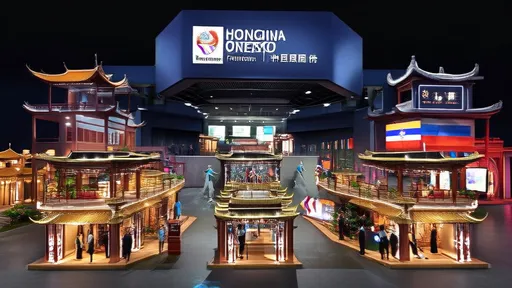
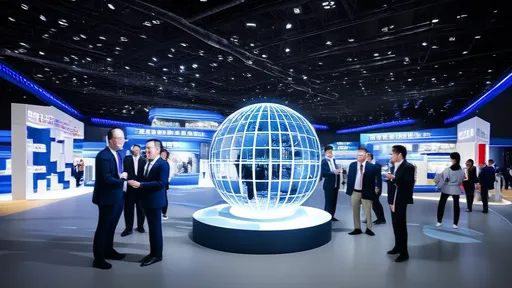
Beyond consumer goods, the expo highlighted collaboration in high-tech and strategic sectors. Pavilions dedicated to cutting-edge fields like artificial intelligence, digital industry, and low-carbon technologies were hubs of activity. Here, the focus was on synergy. International corporations showcased their latest innovations, not merely to sell products, but to find Chinese partners for joint research, development, and localization. This is a crucial aspect of expanding the global market pie. By combining foreign technological expertise with China's vast manufacturing capabilities and rapid commercialization environment, new industries can be born and existing ones can be revolutionized, creating value that did not previously exist. This collaborative innovation addresses global challenges, such as climate change and public health, while simultaneously driving economic growth for all participants.
The geopolitical undertones of the event were impossible to ignore. At a time when decoupling and derisking are frequent topics in policy circles, the CIIE presented a compelling alternative vision: recoupling through mutual economic interest. The strong presence of American companies, despite ongoing trade tensions, was particularly telling. For businesses on the ground, the logic of the market often transcends political friction. The calculus is simple: the Chinese market is too large, too dynamic, and too integral to global supply chains to be ignored. By providing a neutral, commercial space for interaction, the CIIE helps to maintain lines of communication and economic interdependence that can act as a stabilizing force in an otherwise volatile international environment.
Of course, the vision of a seamlessly integrated global market is not without its skeptics. Some critics question whether the rhetoric of openness is always matched by reality, pointing to persistent market access barriers in certain sectors and a regulatory environment that can be opaque to foreign entrants. Others view the CIIE through a geopolitical lens, seeing it as an instrument of Chinese soft power designed to create economic dependencies. These concerns highlight the complex and often contradictory forces at play in the modern global economy. However, the sheer scale of commercial engagement and the genuine enthusiasm of participating businesses suggest that the expo's tangible benefits are significant and widely recognized.
As the curtains closed on another successful CIIE, the takeaway was clear. In a world searching for certainty, the path of open markets and shared prosperity, though challenging, offers a more sustainable and ultimately more profitable future. The expo demonstrated that economic interdependence, far from being a vulnerability, can be a source of collective strength. The task of "making the global market pie bigger" is a monumental one, requiring continuous effort, trust-building, and policy coordination. But by serving as a grand, annual recommitment to this principle, the China International Import Expo has positioned itself as a vital forum where that future is being negotiated, deal by deal, and partnership by partnership. The message from Shanghai is that in the face of uncertainty, the best response is not to build walls, but to build bigger tables.
By /Nov 4, 2025
By /Nov 4, 2025
By /Nov 4, 2025
By /Nov 4, 2025
By /Nov 4, 2025

By /Nov 4, 2025
By /Nov 4, 2025

By /Nov 4, 2025
By /Nov 4, 2025
By /Nov 4, 2025
By /Nov 4, 2025
By /Nov 4, 2025
By /Nov 4, 2025
By /Nov 4, 2025

By /Nov 4, 2025
By /Nov 4, 2025
By /Nov 4, 2025
By /Nov 4, 2025
By /Nov 4, 2025

By /Nov 4, 2025