Against the backdrop of shifting global supply chains and evolving trade dynamics, Indian enterprises have made a strategic pivot toward Vietnam, leveraging the Vietnam Autumn Expo as a critical platform to forge a transformative India-Vietnam-Europe export corridor. This initiative represents more than just a tactical business move; it is a profound realignment of economic partnerships that could reshape trade flows across continents.
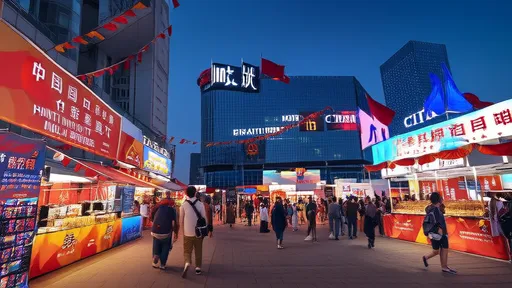
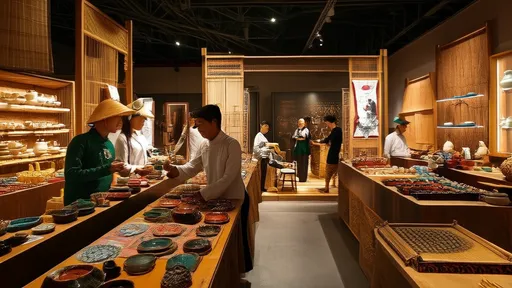
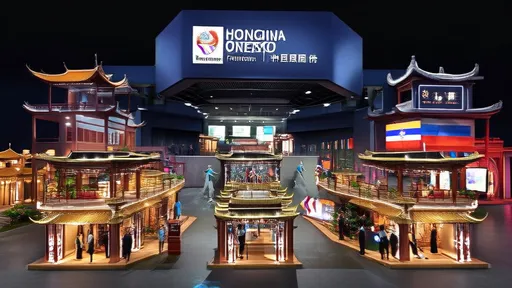
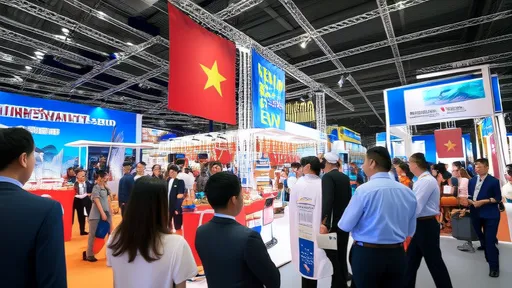
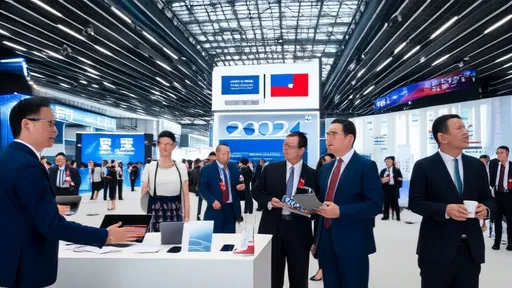
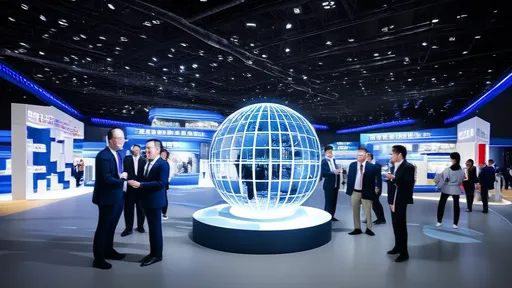
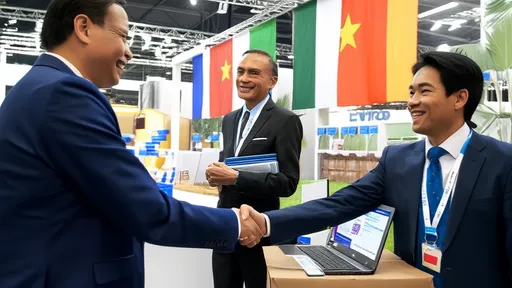
The bustling exhibition halls of Ho Chi Minh City bore witness to an unprecedented level of Indian participation this season, with manufacturing giants and agile startups alike showcasing everything from pharmaceutical intermediates to sophisticated engineering goods. What distinguished this year's exhibition was the deliberate focus on creating complementary value chains rather than mere buyer-seller relationships. Indian textile manufacturers presented innovative fabric technologies to Vietnamese garment factories, with finished products destined for European fashion houses. The synergy was palpable, with business cards exchanging hands not just as formalities but as tangible connectors in an emerging tripartite ecosystem.
Vietnam's strategic positioning in this partnership extends beyond its geographical advantages. The country has emerged as a manufacturing powerhouse with robust free trade agreements, including the landmark EU-Vietnam Free Trade Agreement (EVFTA) that eliminates 99% of customs duties. Indian businesses are increasingly viewing Vietnam not as a competitor but as a conduit—a sophisticated manufacturing base that can add value to Indian raw materials and intermediate goods before they reach European markets. This layered approach to production and export allows both nations to play to their respective strengths while creating products that meet stringent European standards and consumer preferences.
The chemistry between Indian and Vietnamese business delegates was particularly evident in sectors where their capabilities create natural synergies. Indian chemical companies found eager partners in Vietnam's growing pharmaceutical industry, while Vietnam's electronics manufacturers explored sourcing high-quality components from India's burgeoning tech sector. These partnerships are being structured to leverage Vietnam's manufacturing prowess and trade advantages with Europe, creating products that bear the imprint of both nations' industrial capabilities.
European market representatives attending the expo displayed keen interest in this emerging partnership model. A German import specialist noted that the combination of Indian innovation and Vietnamese manufacturing efficiency presents an attractive proposition for European buyers seeking diversified supply chains. The sentiment was echoed by French retail chain representatives who see the India-Vietnam partnership as offering both competitive pricing and enhanced supply chain resilience—a crucial consideration in today's volatile global trade environment.
What makes this triangular trade relationship particularly compelling is its timing. As companies worldwide reassess their China-centric supply chains in the wake of pandemic disruptions and geopolitical tensions, the India-Vietnam-Europe corridor offers a viable alternative that balances cost efficiency with risk mitigation. Indian businesses bring to the table their expertise in bulk manufacturing and research capabilities, while Vietnam contributes agile production systems and privileged market access to Europe. The resulting partnership creates a value proposition that European businesses find increasingly difficult to ignore.
The infrastructure supporting this trade corridor is rapidly evolving. Shipping lines have begun offering dedicated services connecting Indian and Vietnamese ports with European destinations, while logistics companies are developing integrated solutions that streamline the movement of goods through this new route. Digital platforms have emerged to facilitate business matching between Indian and Vietnamese companies, with several startups offering specialized services to manage the regulatory and compliance aspects of this triangular trade.
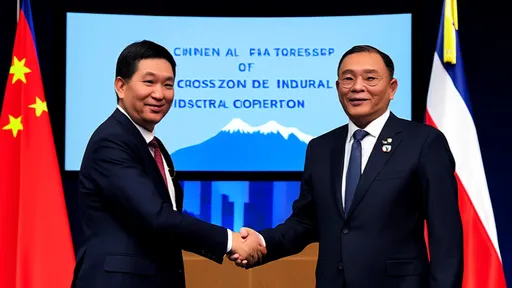
Government support has been instrumental in nurturing this partnership. Both Indian and Vietnamese trade promotion agencies organized dedicated sessions at the expo to educate businesses about the opportunities and mechanics of triangular trade. Indian officials highlighted various export incentive schemes that now extend to goods further processed in Vietnam, while Vietnamese authorities detailed how their country's trade agreements with Europe can benefit Indian partners. This institutional backing provides the necessary credibility and support structure for businesses venturing into this relatively new trade paradigm.
However, challenges remain in optimizing this triangular trade relationship. Differences in business cultures, regulatory frameworks, and quality standards require careful navigation. Several businesses reported initial hurdles in understanding each other's operational methodologies and compliance requirements. Yet, the prevailing sentiment at the expo was that these challenges are surmountable with the right partnerships and adequate due diligence. The potential rewards, in terms of market access and business growth, appear to justify the initial investment in building cross-cultural business understanding.
The financial sector is also waking up to the opportunities presented by this trade corridor. International banks with presence in both India and Vietnam have begun offering specialized financing products tailored to triangular trade transactions. These include structured trade finance solutions that mitigate payment risks and supply chain financing options that ease working capital pressures for businesses operating across this extended supply chain. The development of such specialized financial products indicates the growing maturity and institutional acceptance of this trade model.
Technology transfer forms another crucial dimension of this partnership. Indian companies are not merely looking at Vietnam as an assembly point but as a partner in value addition. Several memoranda of understanding signed at the expo included provisions for technology sharing and joint development of products specifically tailored for European markets. This collaborative approach to innovation distinguishes the India-Vietnam partnership from more transactional trade relationships and lays the foundation for long-term, sustainable cooperation.
The environmental sustainability aspect of this triangular trade has also garnered attention. European consumers and regulators increasingly prioritize environmentally responsible production, and both Indian and Vietnamese businesses are responding to this demand. Several partnerships announced at the expo specifically focused on developing eco-friendly products and implementing green manufacturing processes that would enhance their appeal in sustainability-conscious European markets. This forward-looking approach suggests that the corridor is being built not just for immediate gains but for long-term relevance in evolving global markets.
As the Vietnam Autumn Expo concluded, the business relationships forged there are already transitioning into concrete commercial agreements. The initial orders may be modest, but the strategic intent is ambitious. Businesses on all three sides of this triangular relationship—Indian suppliers, Vietnamese manufacturers, and European buyers—are betting on the complementary strengths that this corridor offers. In an era of supply chain diversification and regional trade realignment, the India-Vietnam-Europe export partnership represents a pragmatic response to global economic shifts—one that could define trade patterns for years to come.
The success of this triangular trade model could have implications beyond the immediate participants. Other Southeast Asian nations are closely watching this development, as are businesses in other regions considering similar partnership models. The Vietnam Autumn Expo may be remembered not just as another trade show but as the venue where a new template for international trade cooperation was forged—one that leverages complementary strengths across multiple jurisdictions to create competitive advantages in demanding global markets.
By /Nov 4, 2025
By /Nov 4, 2025
By /Nov 4, 2025
By /Nov 4, 2025
By /Nov 4, 2025

By /Nov 4, 2025
By /Nov 4, 2025

By /Nov 4, 2025

By /Nov 4, 2025
By /Nov 4, 2025
By /Nov 4, 2025
By /Nov 4, 2025
By /Nov 4, 2025

By /Nov 4, 2025

By /Nov 4, 2025

By /Nov 4, 2025
By /Nov 4, 2025
By /Nov 4, 2025
By /Nov 4, 2025

By /Nov 4, 2025