Hanoi Develops One Village, One Product", Handicraft Village Products Go Global through Expo

Nov 4, 2025 By

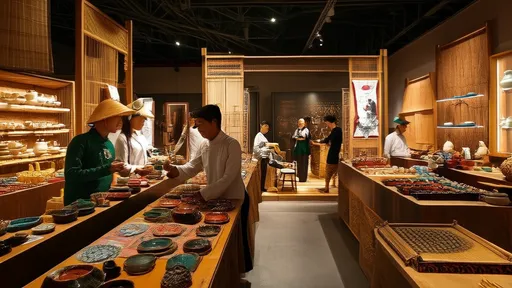
In the heart of Vietnam's capital, a quiet revolution is taking place that promises to reshape the economic landscape of rural communities while bringing unique cultural treasures to the global stage. Hanoi's implementation of the "One Commune, One Product" (OCOP) program has transformed from a local development initiative into an international phenomenon, with traditional craft village products now finding their way to international exhibitions and capturing the imagination of consumers worldwide.


The OCOP program in Hanoi represents more than just an economic strategy—it's a cultural preservation effort that recognizes the intrinsic value of traditional craftsmanship. For generations, artisans in villages surrounding Hanoi have honed their skills in lacquerware, silk weaving, bamboo crafts, and ceramics, passing down techniques from parent to child in an unbroken chain of cultural transmission. What makes Hanoi's approach distinctive is how it has successfully connected these age-old traditions with contemporary market demands, creating products that honor heritage while appealing to modern sensibilities.


Craft villages that once struggled to survive now flourish through strategic participation in international trade fairs and exhibitions. The transformation began when local authorities recognized that these traditional products possessed unique qualities that could compete in global markets. Rather than attempting to mass-produce generic items, the focus remained on maintaining authenticity while improving quality standards, packaging, and marketing approaches. This delicate balance between preservation and innovation has become the program's signature strength.


Take the example of Bat Trang ceramic village, where artisans have participated in exhibitions across Asia and Europe. Their journey from local market stalls to international showcases demonstrates the program's effectiveness. "We used to sell primarily to tourists and local customers," explains Master Artisan Nguyen Van Hung, whose family has worked with ceramics for seven generations. "Now we receive orders from France, Japan, and the United States. The international exposure has not only increased our sales but also inspired us to innovate while staying true to our traditions."


The road to international recognition hasn't been without challenges. Early attempts to introduce these products to global markets revealed significant gaps in understanding international quality standards, consumer preferences, and distribution channels. Many artisans initially struggled with concepts like product certification, export documentation, and international marketing. The turning point came when Hanoi's Department of Agriculture and Rural Development established comprehensive support systems specifically designed to address these barriers.


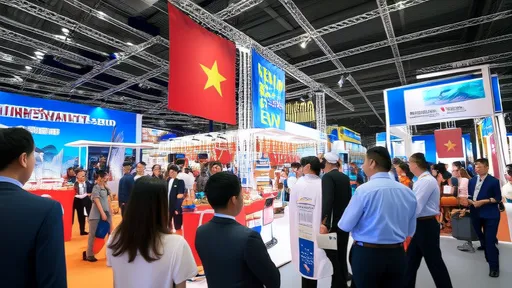
International exhibitions have served as crucial platforms for bridging the gap between local artisans and global consumers. Through carefully selected trade fairs in Europe, North America, and neighboring Asian countries, Hanoi's craft products have gained visibility and market validation. The participation process itself has become an educational journey for artisans, who learn directly from international buyers about design preferences, quality expectations, and market trends. This feedback loop has proven invaluable for product development and refinement.


What makes Hanoi's approach particularly effective is the holistic support system that extends beyond mere exhibition participation. Artisans receive training in business management, export procedures, and digital marketing. They learn about intellectual property protection, sustainable production methods, and international packaging requirements. This comprehensive capacity-building ensures that when their products reach international audiences, they meet global standards while retaining their unique cultural identity.


The economic impact on participating communities has been transformative. In villages specializing in silk production, such as Van Phuc, household incomes have increased significantly as international orders provide more stable and lucrative revenue streams than seasonal local markets. Similar stories emerge from lacquerware villages like Ha Thai, where younger generations now see viable career paths in continuing family traditions rather than migrating to urban centers for employment.


Beyond economic benefits, the international success of these products has fostered a renewed sense of pride and cultural confidence among artisans. Seeing international customers appreciate and value their craftsmanship has validated generations of skill development and cultural preservation efforts. This psychological impact may be as important as the financial gains, ensuring the continuity of traditional crafts that might otherwise have disappeared in the face of modernization and industrialization.


The selection process for which products and villages participate in international exhibitions is rigorous and strategic. Products must demonstrate exceptional quality, cultural authenticity, and market potential. The program coordinators carefully match products with appropriate international markets and exhibitions, ensuring the highest probability of success. This targeted approach has yielded impressive results, with many products establishing ongoing relationships with international distributors rather than just making one-time sales.


Digital transformation has complemented physical exhibition participation, creating a powerful dual-track approach to international market access. While international fairs provide crucial face-to-face interaction and immediate market feedback, e-commerce platforms and digital marketing ensure continuous visibility and sales opportunities between exhibitions. Artisans have learned to use social media and online marketplaces to maintain relationships with international customers discovered at trade fairs, creating sustainable business relationships that extend far beyond the exhibition hall.


Looking forward, Hanoi aims to expand the program's reach while maintaining its core principles. Plans include developing specialized clusters of craft villages that can collectively address larger international orders, establishing certification systems that guarantee authenticity and quality, and creating international showrooms in key markets. The success stories emerging from the program are also inspiring other regions in Vietnam to adopt similar approaches, creating a nationwide movement that celebrates traditional craftsmanship while embracing global opportunities.


The journey from local craft villages to international exhibitions represents more than just business expansion—it's a testament to the enduring appeal of handmade products in an increasingly mass-produced world. International consumers aren't just purchasing functional items; they're buying pieces of cultural heritage, stories of tradition, and connections to artisan communities. This emotional and cultural dimension gives Hanoi's craft products a competitive advantage that transcends price considerations.


As the program continues to evolve, the focus remains on sustainable development that benefits both artisans and their communities. Environmental considerations have become increasingly important, with many villages adopting eco-friendly production methods and sustainable material sourcing. This alignment with global sustainability trends further enhances the appeal of these products in international markets where consumers increasingly value ethical and environmental considerations in their purchasing decisions.


The success of Hanoi's OCOP program in bringing craft village products to international audiences offers valuable lessons for cultural preservation and rural development worldwide. It demonstrates that traditional crafts can not only survive but thrive in global markets when supported by thoughtful policies, strategic market access, and respect for cultural authenticity. As these products continue to grace international exhibitions and find homes around the world, they carry with them not just the skill of Vietnamese artisans but the soul of Vietnamese culture.


Recommend Posts
Business

Shop in China" Consumption Month Connects with CIIE to Stimulate Goods and Services Consumption Market

By /Nov 4, 2025

China's consumer market is experiencing a remarkable transformation as the government's "Shopping in China" campaign converges with the China International Import Expo, creating unprecedented momentum in both goods and services consumption. This strategic alignment represents a sophisticated approach to economic revitalization that goes beyond traditional stimulus measures, weaving together international trade with domestic consumption in a way that benefits both local consumers and global businesses.
Business

Hanoi Develops One Village, One Product", Handicraft Village Products Go Global through Expo

By /Nov 4, 2025

In the heart of Vietnam's capital, a quiet revolution is taking place that promises to reshape the economic landscape of rural communities while bringing unique cultural treasures to the global stage. Hanoi's implementation of the "One Commune, One Product" (OCOP) program has transformed from a local development initiative into an international phenomenon, with traditional craft village products now finding their way to international exhibitions and capturing the imagination of consumers worldwide.
Business

Thailand and Five Other Countries Serve as Guest Countries at the CIIE, Global South" Issues Included in the Hongqiao Forum for the First Time

By /Nov 4, 2025

Thailand stood proudly alongside five other nations as Guest of Honor at the China International Import Expo (CIIE), a position that carried profound symbolic weight far beyond the glittering exhibition halls of Shanghai. This year's edition of the world's premier import-themed expo was not merely a trade fair; it was a strategic stage for the growing chorus of the "Global South." For the first time, the prestigious Hongqiao Forum, the intellectual core of the CIIE, formally integrated the "Global South" as a central theme, marking a pivotal shift in the discourse surrounding global economic governance. The convergence of these two events—the high-profile participation of key developing economies and the forum's thematic focus—sent an unambiguous message: the economic and political cartography of the world is being redrawn, and institutions like the CIIE are becoming crucial platforms for this realignment.
Business

Vietnam's Retail Sector Embraces Modernization as Companies Race to Digital Transformation

By /Nov 4, 2025

Vietnam's retail landscape is undergoing a profound transformation, shifting from traditional wet markets and small family-owned stores toward a modern, dynamic sector driven by digital innovation. This evolution is not merely a trend but a strategic response to changing consumer behaviors, increased internet penetration, and fierce market competition. As the country's economy continues to grow, both domestic and international retailers are racing to implement digital solutions to capture market share and enhance customer experiences.
Business

Henan FTZ Zhengzhou Area Plans to Sign an Agreement with Chile's Free Trade Zone to Promote High-Level Opening-Up

By /Nov 4, 2025

In a significant move to deepen international economic ties, the Zhengzhou Area of the China (Henan) Pilot Free Trade Zone is poised to sign a landmark cooperation agreement with a Chilean free trade zone. This initiative marks a pivotal step in China's broader strategy to foster high-level opening-up and strengthen global trade partnerships. The collaboration, which focuses on leveraging complementary strengths, is expected to enhance trade flows, investment opportunities, and economic resilience between the two regions.
Business

Longcheng International Airport's Airport Commissioning Flight Successfully Completed, A Key Step in Vietnam's Aviation Infrastructure Development

By /Nov 4, 2025

The skies above Long Thanh witnessed a historic moment this Tuesday as the calibration flight for Vietnam's most ambitious aviation project concluded with resounding success. Against the backdrop of morning mist clearing over the unfinished terminals, the specialized aircraft completed its final approach, marking what aviation experts are calling a watershed moment for Southeast Asian infrastructure development.
Business

Vietnam Autumn Expo Success Reflects Strategic Leap in Trade Promotion Policies

By /Nov 4, 2025

The vibrant halls of Hanoi's National Convention Center echoed with the sounds of commerce and collaboration during the recent Vietnam Autumn Expo, an event that has come to symbolize far more than a simple trade fair. This year's edition, sprawling and ambitious, served as a powerful testament to a fundamental shift in Vietnam's economic statecraft. Observers and participants alike noted that the expo was not merely a marketplace, but a strategic statement—a clear signal that Vietnam's trade promotion policies have undergone a profound and calculated evolution, moving from reactive measures to a proactive, forward-looking national strategy.
Business

China's Digital Finance Unicorn List 2025" Released, Over 40% of Companies Gather in Beijing

By /Nov 4, 2025

Beijing has solidified its position as the undisputed capital of China's digital finance sector, with over 40 percent of the nation's most valuable fintech unicorns now calling the city home, according to the newly released China Digital Finance Unicorn List 2025. The comprehensive industry report reveals a remarkable concentration of financial technology innovation and capital within China's political and cultural center, highlighting a significant geographic shift in the country's technological power dynamics.
Business

Vietnamese Fruit and Vegetable Exports Expected to Surpass $10 Billion, with China as a Key Driver

By /Nov 4, 2025

Vietnam's agricultural sector is witnessing a remarkable transformation as its fruit and vegetable exports surge toward an unprecedented milestone. Industry analysts and government officials project that the country's produce exports will breach the $10 billion threshold this year, marking a significant achievement for a nation traditionally known for its rice and coffee exports. This remarkable growth trajectory represents more than just numbers—it signifies Vietnam's evolving position in global agricultural trade and its successful diversification into high-value export commodities.
Business

Beijing Unveils Policies to Facilitate the Full Venture Capital Chain: Raising, Investing, Managing, and Exiting

By /Nov 4, 2025

Beijing has unveiled a comprehensive series of policies aimed at streamlining the entire venture capital lifecycle, from fundraising to exit strategies. The ambitious initiative seeks to transform China's capital into a global hub for innovation and technological investment, addressing long-standing bottlenecks that have hampered the growth of startups and venture capital firms alike.
Business

CIIE Becomes Global Innovation Testbed, Low-Altitude Economy and AI Lead the Future Industries

By /Nov 4, 2025

The sprawling exhibition halls of the China International Import Expo (CIIE) in Shanghai have transformed into more than just a marketplace for global goods; they have evolved into a dynamic, real-world laboratory where the future of industry is being stress-tested before a global audience. This year's event has firmly established itself as the world's premier testing ground for innovation, with two technological frontiers—low-altitude economy and artificial intelligence—emerging not as distant concepts, but as tangible, integrated systems poised to redefine our economic and social fabric.
Business

Financial Street and Casablanca Finance City Sign MOU to Deepen Green Finance Cooperation

By /Nov 4, 2025

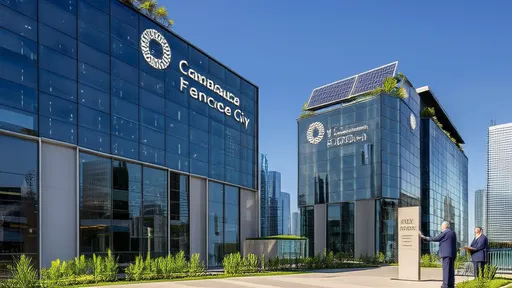
In a landmark move that signals growing international cooperation in sustainable finance, Beijing's Financial Street and Casablanca Finance City have signed a comprehensive memorandum of understanding to deepen their collaboration in green financial initiatives. The agreement, finalized during high-level talks between Chinese and Moroccan financial authorities, establishes a framework for knowledge sharing, joint research, and market development in environmentally conscious investment practices.
Business

Catering to New Consumer Trends, CIIE Introduces New Themes of Silver Economy and Winter Sports Economy

By /Nov 4, 2025

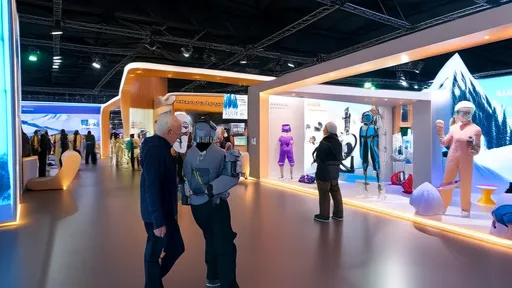
The China International Import Expo (CIIE), the world's first import-themed national-level exhibition, has consistently demonstrated its ability to evolve with changing global economic landscapes. This year's edition marks a significant strategic pivot as organizers deliberately incorporate two emerging economic sectors - silver economy and ice-snow economy - into its core framework. This move represents more than mere thematic expansion; it signals a profound understanding of how global consumption patterns are transforming and how international trade must adapt accordingly.
Business

Hanoi Attracts Nearly $4 Billion in Foreign Investment in the First 10 Months, Demonstrating International Market Appeal

By /Nov 4, 2025

Hanoi's economic landscape continues to demonstrate remarkable resilience and appeal as the capital city recorded nearly $4 billion in foreign direct investment during the first ten months of this year. The impressive figures come amid global economic uncertainties and shifting supply chains, positioning Vietnam's capital as an increasingly attractive destination for international capital.
Business

Financial Street Forum Annual Meeting Contributes to Global Governance, China's Financial Opening Attracts the World

By /Nov 4, 2025

Beijing's Financial Street Forum has concluded with a powerful message about China's commitment to global economic governance and financial market liberalization. The annual gathering, which brought together central bankers, finance ministers, and financial institution leaders from around the world, served as a platform for China to articulate its vision for a more inclusive global financial architecture while demonstrating concrete steps toward opening its financial sector.
Business

Phạm Minh Chính: Vietnam is determined to put the International Financial Center into operation in November.

By /Nov 4, 2025

Prime Minister Pham Minh Chinh has declared Vietnam's unwavering determination to launch its first international financial center by November, marking a pivotal moment in the country's economic transformation. The announcement came during a high-level government meeting where the Prime Minister emphasized the strategic importance of this project for Vietnam's long-term development and global economic integration. This ambitious initiative represents the culmination of years of planning and preparation, positioning Vietnam to compete with established financial hubs in the region.
Business

Nearly 450,000 Professional Visitors Registered for CIIE, 43 Trading Delegations Ready for Negotiations and Procurement

By /Nov 4, 2025

The China International Import Expo (CIIE) has once again captured global attention with staggering participation numbers, signaling a robust revival in international trade engagement. With nearly 450,000 professional attendees registered and 43 procurement delegations poised for negotiations, the event stands as a testament to China's pivotal role in shaping post-pandemic economic recovery. The scale of participation not only shatters previous records but also reflects a collective international appetite for market connectivity and commercial collaboration. Against the backdrop of geopolitical uncertainties and supply chain recalibrations, these figures emerge as a powerful counter-narrative to trade fragmentation fears, positioning the expo as a critical nexus for global business dialogue.
Business

CIIE Fosters Mutual Benefit Amid Uncertainty, China Ready to Share Global Market Pie with All Parties

By /Nov 4, 2025

The sprawling exhibition halls of the National Exhibition and Convention Center in Shanghai hummed with a distinct energy this year, a palpable sense of forward momentum against a backdrop of global economic headwinds. The China International Import Expo (CIIE), now a firmly established fixture on the international trade calendar, positioned itself not merely as a marketplace, but as a powerful statement of intent. In an era marked by supply chain disruptions, inflationary pressures, and a creeping tide of protectionist sentiment, the message emanating from Shanghai was one of resolute openness and collaborative growth. The central theme, "Joining Hands to Share a Brighter Future," was more than a slogan; it was a strategic framework for navigating uncertainty through mutual benefit, with China articulating a clear ambition to work with all parties to collectively "make the global market pie bigger."
Business

Indian Companies Leverage Vietnam Autumn Expo to Seek Vietnam-India-Europe Tripartite Export Cooperation

By /Nov 4, 2025

Against the backdrop of shifting global supply chains and evolving trade dynamics, Indian enterprises have made a strategic pivot toward Vietnam, leveraging the Vietnam Autumn Expo as a critical platform to forge a transformative India-Vietnam-Europe export corridor. This initiative represents more than just a tactical business move; it is a profound realignment of economic partnerships that could reshape trade flows across continents.
Business

HSBC: Vietnam Actively Promotes Digital Transformation, Demonstrating Economic Resilience

By /Nov 4, 2025

In the heart of Southeast Asia, Vietnam is quietly orchestrating one of the most remarkable economic transformations of our time. According to recent analyses by HSBC, the nation's aggressive push toward digitalization is not merely a technological upgrade but a fundamental reshaping of its economic DNA. While global supply chains faltered and economies worldwide grappled with uncertainty, Vietnam demonstrated a resilience that caught many observers by surprise. This resilience, HSBC notes, is deeply intertwined with the country's digital ambitions, creating a virtuous cycle where technological adoption fuels economic stability, which in turn enables further digital investment.