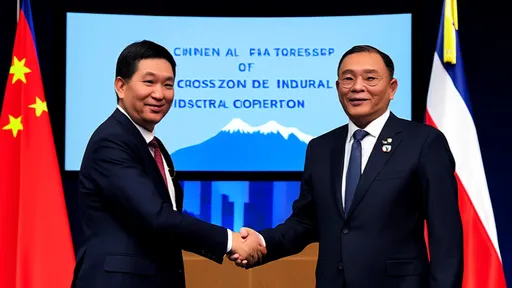
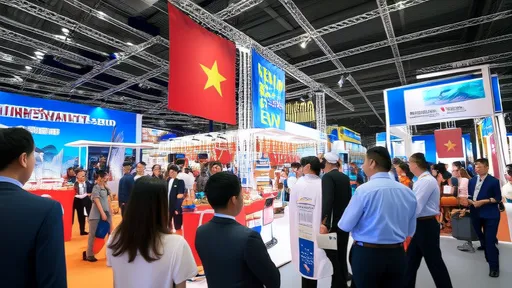
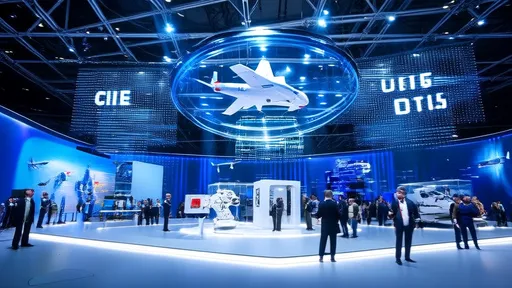
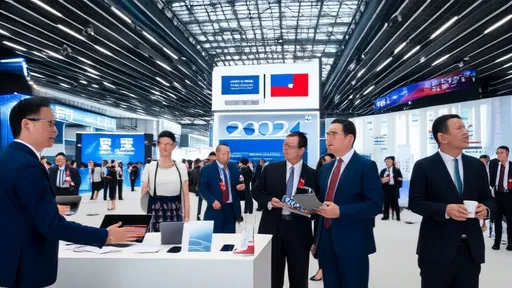
The China International Import Expo (CIIE) has once again captured global attention with staggering participation numbers, signaling a robust revival in international trade engagement. With nearly 450,000 professional attendees registered and 43 procurement delegations poised for negotiations, the event stands as a testament to China's pivotal role in shaping post-pandemic economic recovery. The scale of participation not only shatters previous records but also reflects a collective international appetite for market connectivity and commercial collaboration. Against the backdrop of geopolitical uncertainties and supply chain recalibrations, these figures emerge as a powerful counter-narrative to trade fragmentation fears, positioning the expo as a critical nexus for global business dialogue.
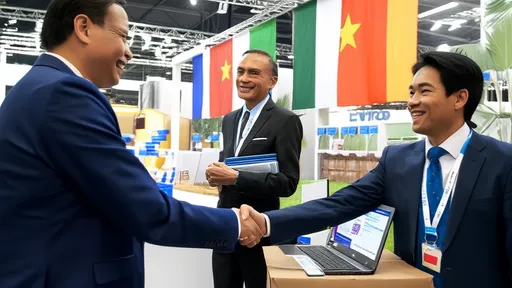
Behind the registration statistics lies a meticulously orchestrated ecosystem of trade facilitation. The 43 procurement delegations represent diverse industrial sectors—from advanced manufacturing and agricultural products to digital services and cultural exchanges—each armed with tailored negotiation strategies and market intelligence. These delegations have undergone months of preparatory work, analyzing global supply trends and identifying strategic procurement targets. Their presence transforms the expo from a conventional trade show into a dynamic negotiation arena, where billions of dollars worth of transactions are expected to materialize through structured business matching sessions. The delegations' composition reveals strategic priorities, with significant representation from emerging industries like green technology and biomedical sectors, underscoring China's evolving import demand structure.
The geographic distribution of professional visitors tells its own story of global economic interdependence. While Asian participants constitute the largest regional bloc, European and North American registrations have shown remarkable growth compared to pre-pandemic levels. This geographic diversity demonstrates how the expo has transcended its regional origins to become a truly global marketplace. What's particularly noteworthy is the surge in participation from Belt and Road Initiative countries, suggesting the expo's role in operationalizing broader economic cooperation frameworks. The visitor profile analysis reveals an interesting evolution—beyond traditional procurement professionals, we're seeing increased attendance from tech innovators, sustainability experts, and digital transformation specialists, indicating how trade discussions are expanding beyond mere commodity transactions.
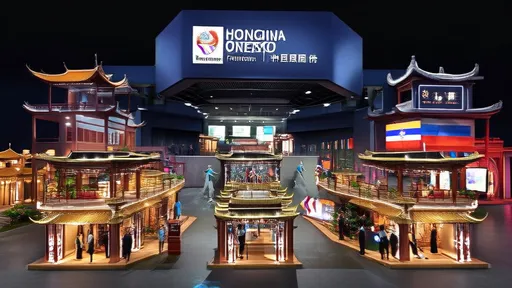
Digital transformation has fundamentally reshaped the expo experience, with hybrid participation mechanisms enabling unprecedented global reach. The integration of virtual negotiation platforms doesn't diminish the value of physical presence but rather creates a multidimensional engagement ecosystem. Advanced matchmaking algorithms have been deployed to connect suppliers with the most relevant procurement delegations, significantly increasing the efficiency of commercial interactions. This digital layer extends the expo's lifespan beyond its physical duration, with many negotiation processes initiating pre-event and continuing through dedicated digital channels post-expo. The technological infrastructure supporting this hybrid model represents a significant leap forward in how major trade events can optimize global business connectivity.
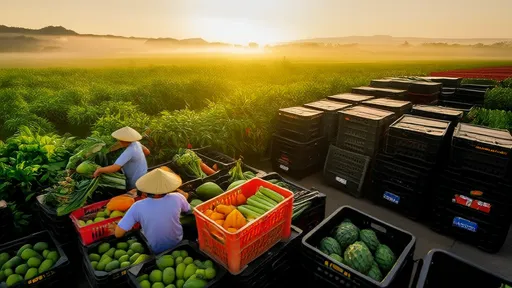
Industry-specific analysis reveals fascinating patterns in procurement focus areas. The medical equipment and healthcare sector continues to demonstrate strong momentum, reflecting ongoing global health priorities and China's healthcare system modernization efforts. Meanwhile, the agricultural and food products segment shows particularly vigorous engagement, with procurement delegations seeking to diversify import sources and enhance food security. The consumer goods sector exhibits interesting evolution, with growing emphasis on premium, niche products that cater to China's increasingly sophisticated middle-class consumers. The industrial equipment category, while maintaining traditional strength, is witnessing a shift toward smart manufacturing solutions and environmentally friendly technologies.
The scale of preparation undertaken by participating companies reveals how seriously the international business community treats this event. Many multinational corporations have deployed their largest-ever delegations, with C-suite representation significantly higher than previous years. This corporate commitment transcends mere sales opportunities—companies are leveraging the expo as a strategic platform for market intelligence gathering, partnership development, and brand positioning within the Chinese market. The preparatory activities have spawned entire ecosystems of supporting services, from specialized logistics providers to cross-cultural negotiation consultants, creating economic ripple effects far beyond the expo halls themselves.
Economic implications extend well beyond immediate transaction values. The convergence of 450,000 professional visitors creates immense knowledge spillover effects, with side events, seminars, and industry forums facilitating invaluable information exchange. Many participants emphasize the strategic insights gained through exposure to emerging technologies and business models as equally valuable as concrete procurement deals. The expo serves as a real-time barometer of global trade trends, with negotiation patterns often predicting broader shifts in international commerce. For many small and medium-sized enterprises, particularly from developing countries, the event provides unprecedented access to the Chinese market that would otherwise require years of business development effort.
Looking at the macroeconomic context, these participation numbers assume even greater significance. In a global environment characterized by trade protectionism and supply chain nationalism, the expo stands as a powerful statement in support of open markets and international cooperation. The robust attendance figures contradict narratives of economic decoupling, instead highlighting the persistent interdependence of global economies. The diversity of participating countries demonstrates a collective rejection of trade fragmentation, with businesses and governments alike recognizing the mutual benefits of maintained commercial connectivity. This becomes particularly important as the world navigates simultaneous challenges of inflation management, energy transition, and technological transformation.
The organizational achievement represented by these statistics shouldn't be underestimated. Coordinating an event of this magnitude requires sophisticated logistics, cross-governmental coordination, and intricate safety protocols—all accomplished amid ongoing global health considerations. The success in attracting such massive participation speaks to the credibility the expo has established over previous editions, with many companies reporting tangible business benefits from prior involvement. This track record of delivering commercial value has created a virtuous cycle, where each successful edition builds momentum for subsequent events.
As the expo progresses, all eyes will be on the negotiation outcomes and deal announcements. However, the true impact may extend far beyond immediately quantifiable transactions. The relationships forged, market intelligence gathered, and strategic partnerships initiated during these intense days of engagement will likely generate commercial value for years to come. The convergence of decision-makers from across the global economic landscape creates unique opportunities for addressing complex trade challenges and developing collaborative solutions. In many ways, the most significant outcomes may emerge not from the planned negotiation sessions but from the unexpected connections and insights that such massive gatherings uniquely facilitate.
Ultimately, these participation figures represent more than just statistical achievements—they embody a collective vote of confidence in the future of global trade. The willingness of hundreds of thousands of professionals to invest time and resources in this engagement demonstrates the enduring power of face-to-face business relationships, even in an increasingly digital world. As the global economy navigates a period of significant transformation, events like the CIIE provide crucial platforms for aligning commercial interests, sharing innovative solutions, and reinforcing the fundamental interconnectedness that continues to define international commerce in the twenty-first century.
By /Nov 4, 2025
By /Nov 4, 2025
By /Nov 4, 2025
By /Nov 4, 2025
By /Nov 4, 2025

By /Nov 4, 2025
By /Nov 4, 2025

By /Nov 4, 2025
By /Nov 4, 2025
By /Nov 4, 2025
By /Nov 4, 2025
By /Nov 4, 2025
By /Nov 4, 2025
By /Nov 4, 2025

By /Nov 4, 2025
By /Nov 4, 2025
By /Nov 4, 2025
By /Nov 4, 2025
By /Nov 4, 2025

By /Nov 4, 2025