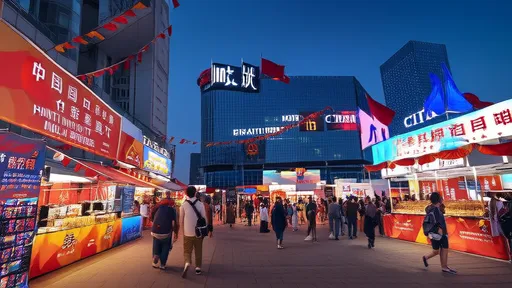
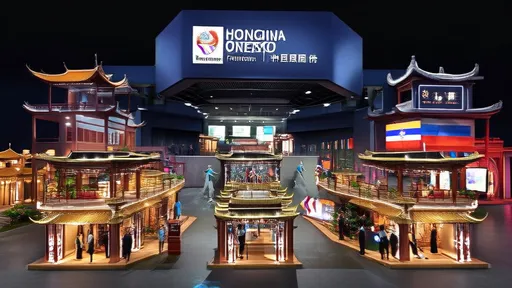
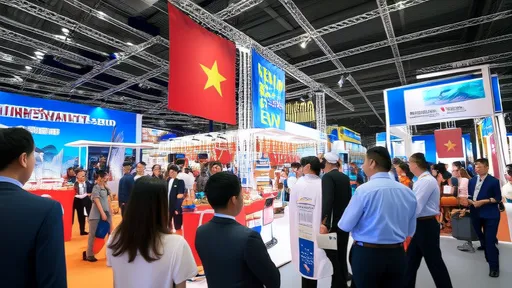
The China International Import Expo (CIIE), the world's first import-themed national-level exhibition, has consistently demonstrated its ability to evolve with changing global economic landscapes. This year's edition marks a significant strategic pivot as organizers deliberately incorporate two emerging economic sectors - silver economy and ice-snow economy - into its core framework. This move represents more than mere thematic expansion; it signals a profound understanding of how global consumption patterns are transforming and how international trade must adapt accordingly.
Against the backdrop of shifting global demographics and evolving consumer preferences, the CIIE's embrace of these niche markets demonstrates remarkable foresight. The silver economy, focusing on products and services for aging populations, and the ice-snow economy, catering to winter sports enthusiasts and cold-climate lifestyles, might appear as specialized segments at first glance. However, their inclusion in such a prominent international platform reveals their growing significance in the global market ecosystem. The strategic timing of this expansion coincides with fundamental changes in consumer behavior worldwide, particularly in post-pandemic recovery phases where experiential consumption and specialized services are gaining unprecedented importance.
The Silver Economy's Grand Entrance
The incorporation of the silver economy into CIIE's framework comes at a crucial juncture in global demographic history. Countries worldwide are experiencing rapid population aging, with China itself anticipating that citizens aged 60 and above will constitute nearly 40% of its population by 2050. This demographic shift represents not merely a social challenge but a substantial economic opportunity that forward-thinking businesses cannot afford to ignore. The CIIE's platform provides an unprecedented opportunity for international companies to showcase innovative solutions tailored to this growing market segment.
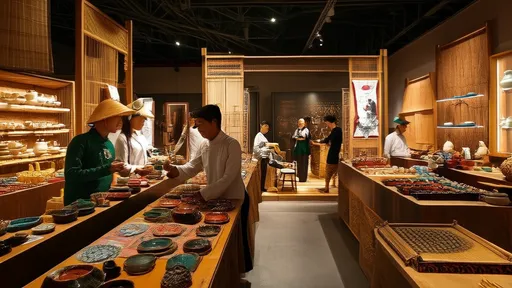
International exhibitors have responded with remarkable enthusiasm, presenting cutting-edge products ranging from smart healthcare devices to age-friendly technologies. Japanese companies displayed advanced mobility aids incorporating artificial intelligence that can predict and prevent falls, while German manufacturers introduced smart home systems specifically designed for elderly residents. Scandinavian firms showcased nutritional supplements and functional foods developed through decades of gerontological research. The diversity of offerings underscores how the silver economy extends far beyond traditional healthcare to encompass lifestyle, entertainment, travel, and technology sectors.
What makes the silver economy presentation at CIIE particularly noteworthy is its emphasis on dignity and quality of life rather than mere functionality. Products on display focus on enabling active aging rather than simply addressing disabilities. From fashionable adaptive clothing that maintains style while accommodating physical limitations to virtual reality systems that allow bedridden seniors to experience travel and social interactions, the innovations reflect a fundamental shift in how society perceives aging. The underlying message is clear: the elderly represent a vibrant consumer demographic with sophisticated tastes and substantial purchasing power.
Winter's Economic Warmth: The Ice-Snow Economy
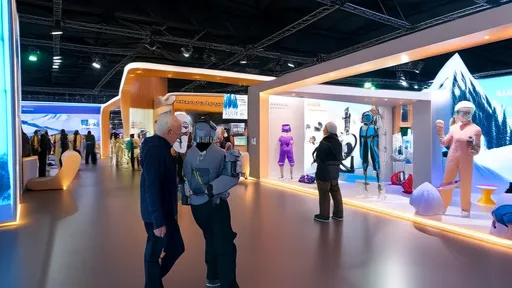
Parallel to the silver economy's emergence, the ice-snow economy has carved out a significant presence at this year's expo. The timing aligns strategically with the growing global interest in winter sports, particularly in Asia where countries are increasingly investing in cold-weather infrastructure and winter tourism. The 2022 Beijing Winter Olympics served as a catalyst, igniting unprecedented interest in winter activities across China and neighboring countries, creating a ripe market for international brands specializing in cold-climate products and experiences.
European nations with long-standing winter sports traditions have seized this opportunity with particular vigor. Swiss and Austrian companies presented state-of-the-art skiing equipment incorporating materials originally developed for aerospace applications. Scandinavian exhibitors showcased innovative heating technologies and cold-weather fashion that combines functionality with high-end design. Canadian and American firms highlighted winter tourism packages and educational programs for aspiring athletes. The diversity of offerings demonstrates how the ice-snow economy encompasses equipment manufacturing, tourism services, apparel, infrastructure development, and training services.
Beyond traditional winter sports, the ice-snow economy section reveals growing consumer interest in cold-climate lifestyles more broadly. Korean and Japanese companies presented beauty products specifically formulated for harsh winter conditions, while Russian exhibitors showcased traditional cold-weather foods and beverages now gaining international appeal. The expansion into adjacent product categories indicates the maturation of this economic sector beyond seasonal sports into year-round business opportunities centered around cold-weather living and experiences.
Strategic Integration and Market Response
The inclusion of these two economic sectors within CIIE's framework reflects sophisticated market intelligence and strategic planning. Organizers have not merely allocated exhibition space; they have created integrated experiences that demonstrate how these emerging economies intersect with established industries. Cross-sector collaborations are particularly evident, such as silver economy technologies being incorporated into winter sports equipment for older enthusiasts, or ice-snow economy principles influencing cold-climate housing solutions for aging populations.
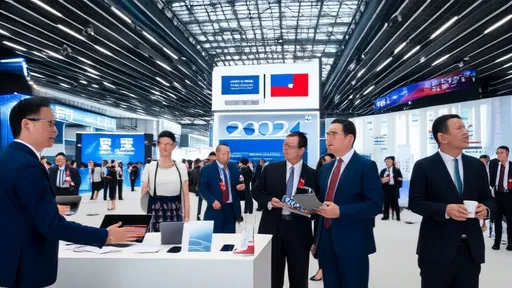
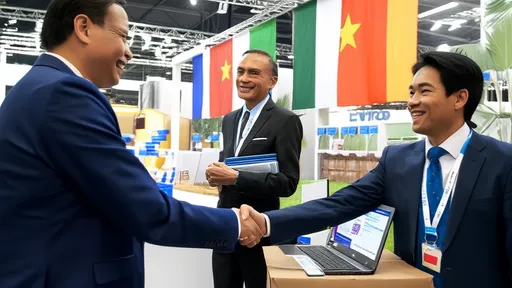
Market response has been overwhelmingly positive, with business matching sessions specifically focused on these sectors reporting record numbers of preliminary agreements. International small and medium enterprises specializing in niche products within these categories have found particularly fertile ground, as the CIIE platform provides exposure to markets that would otherwise require substantial investment to access. The organized buyer delegations include specialized groups representing retirement communities, ski resorts, healthcare providers, and tourism agencies, ensuring that exhibitors connect with genuinely interested business partners.
The educational component of these specialized exhibitions has proven equally important alongside commercial transactions. Seminar sessions featuring gerontology experts, winter sports champions, industry pioneers, and economic analysts have drawn consistently large audiences. These knowledge-sharing opportunities help market participants understand the long-term trajectories of these emerging economies and make informed investment decisions. The combination of product exhibition, business matching, and educational programming creates a comprehensive ecosystem that accelerates market development.
Global Implications and Future Trajectories
The strategic emphasis on silver and ice-snow economies at CIIE carries significance far beyond China's borders. It signals to international businesses and policymakers that consumption patterns are fragmenting into specialized niches driven by demographic and lifestyle trends. Companies that recognize these shifts early and develop targeted strategies stand to gain substantial first-mover advantages in emerging market segments. The showcase serves as both a market opportunity and a strategic intelligence gathering exercise for global businesses seeking to understand future consumption trends.
For participating countries, the focused exhibitions provide valuable insights into how their specialized products and services might find markets abroad. Nordic countries, for instance, have discovered unexpected interest in their elderly care models and cold-climate technologies beyond their traditional export markets. Similarly, companies from temperate climates have identified opportunities to adapt their products for aging populations in ways they hadn't previously considered. This cross-pollination of ideas and business approaches represents one of the most valuable outcomes of the specialized exhibitions.
Looking forward, the successful integration of these emerging economic sectors suggests that CIIE will likely continue identifying and incorporating new specialized economies in future editions. The organizational model demonstrated with silver and ice-snow economies provides a template for how the expo can remain at the forefront of global trade evolution. As consumer preferences continue to fragment and new economic categories emerge, platforms like CIIE that can effectively bridge specialized producers with global markets will become increasingly valuable in the international trade ecosystem.
The deliberate inclusion of silver and ice-snow economies at this year's China International Import Expo represents far more than a simple program expansion. It demonstrates sophisticated understanding of global demographic and lifestyle trends that are reshaping consumption patterns worldwide. By providing dedicated platforms for these emerging economic sectors, CIIE not only facilitates immediate business opportunities but also accelerates the development of markets that will likely see substantial growth in coming decades. The strategic vision displayed through this expansion reinforces CIIE's position as a forward-thinking trade platform capable of anticipating and responding to the evolving nature of global consumption.
By /Nov 4, 2025
By /Nov 4, 2025
By /Nov 4, 2025
By /Nov 4, 2025

By /Nov 4, 2025

By /Nov 4, 2025
By /Nov 4, 2025

By /Nov 4, 2025

By /Nov 4, 2025

By /Nov 4, 2025

By /Nov 4, 2025

By /Nov 4, 2025
By /Nov 4, 2025

By /Nov 4, 2025

By /Nov 4, 2025

By /Nov 4, 2025
By /Nov 4, 2025

By /Nov 4, 2025
By /Nov 4, 2025

By /Nov 4, 2025