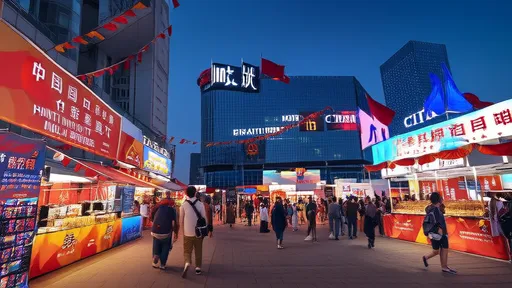
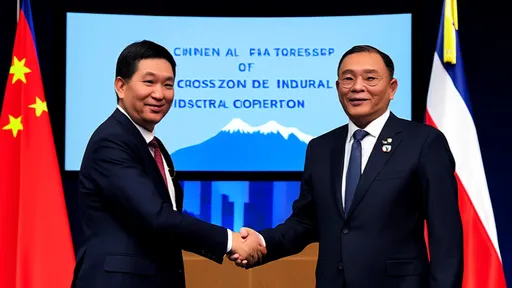
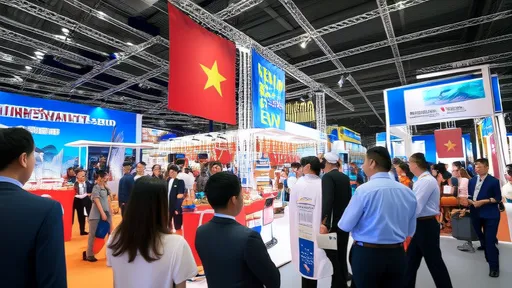
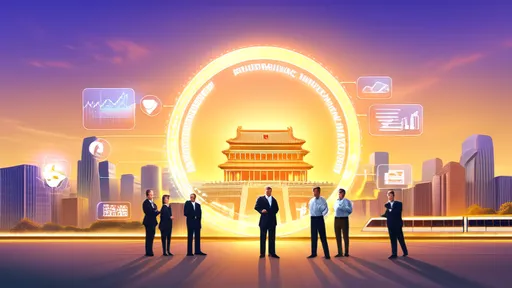
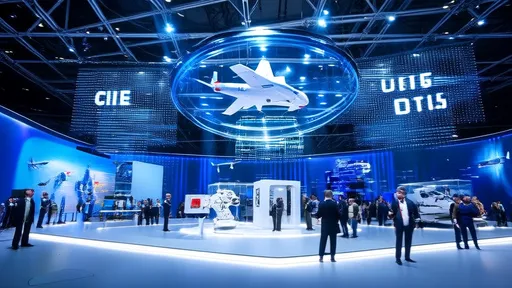
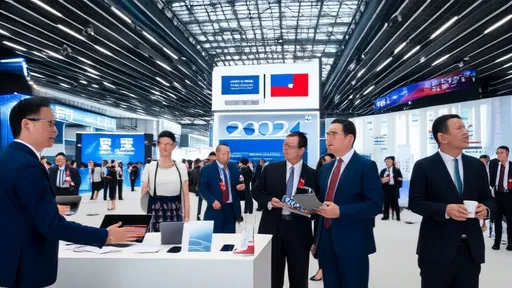
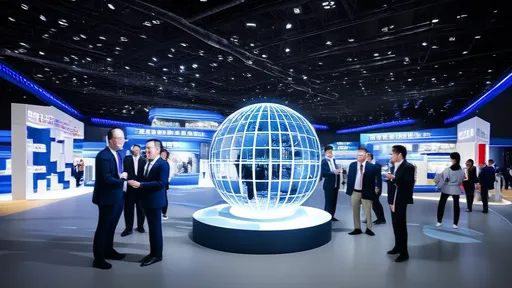
Thailand stood proudly alongside five other nations as Guest of Honor at the China International Import Expo (CIIE), a position that carried profound symbolic weight far beyond the glittering exhibition halls of Shanghai. This year's edition of the world's premier import-themed expo was not merely a trade fair; it was a strategic stage for the growing chorus of the "Global South." For the first time, the prestigious Hongqiao Forum, the intellectual core of the CIIE, formally integrated the "Global South" as a central theme, marking a pivotal shift in the discourse surrounding global economic governance. The convergence of these two events—the high-profile participation of key developing economies and the forum's thematic focus—sent an unambiguous message: the economic and political cartography of the world is being redrawn, and institutions like the CIIE are becoming crucial platforms for this realignment.
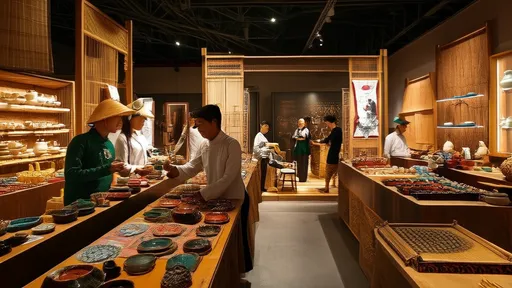
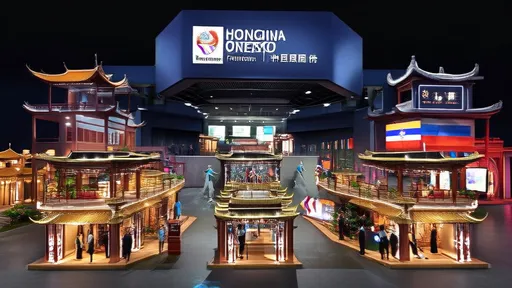
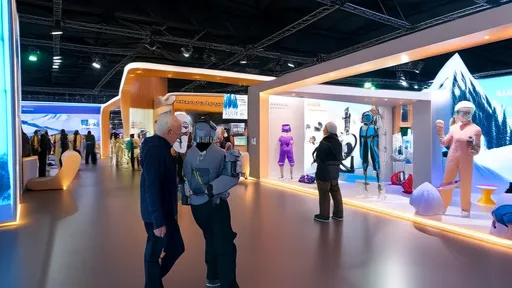
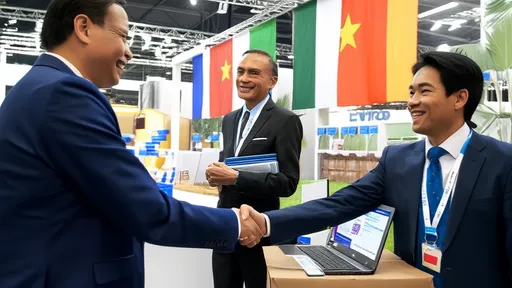
The selection of Thailand, alongside Indonesia, Vietnam, Brazil, South Africa, and Kazakhstan, as Guest of Honor countries was a carefully curated move. It represented a cross-section of the developing world's dynamism—from Southeast Asian manufacturing powerhouses and Latin American agricultural giants to African resource hubs and Central Asian logistical corridors. Their national pavilions were not just displays of exotic fruits and handicrafts; they were showcases of sophisticated industries, from Thai electric vehicle ambitions and Indonesian digital economy platforms to Brazilian aerospace technology and South African fintech solutions. The message was clear: these are not just sources of raw materials but indispensable partners in complex, modern supply chains and innovation ecosystems. The sheer diversity and scale of their participation underscored a collective confidence and a shared ambition to move beyond peripheral roles in the global economy.
The true intellectual breakthrough of this year's CIIE, however, occurred at the Hongqiao Forum. The formal inclusion of the "Global South" on its agenda was a landmark moment. For years, the term has been used in academic and policy circles, but its adoption by a premier global economic forum co-hosted by China's Ministry of Commerce signifies its arrival in the mainstream of international economic dialogue. The discussions moved beyond simplistic narratives of "South-South cooperation" and delved into the hard mechanics of building a new multilateralism. Panelists and heads of state grappled with issues like reforming outdated international financial institutions, creating alternative supply chains resilient to geopolitical shocks, and establishing technical standards that reflect the needs and innovations of developing nations. It was a forum less about asking for a seat at the table and more about designing a new table altogether.
A palpable sense of strategic pragmatism defined the atmosphere. The rhetoric was not solely focused on countering Western dominance but on constructing viable, parallel systems of trade, finance, and development. The buzzwords were "de-dollarization," "local currency settlements," "digital silk roads," and "capacity building." The Brics expansion was a frequent topic, seen as a potential institutional counterweight. The dialogue highlighted a collective weariness with conditional aid and the policy prescriptions often attached to it from traditional Western donors. Instead, the emphasis was on win-win investment, technology transfer, and infrastructure development modeled on initiatives like the Belt and Road, but with a renewed focus on sustainability and local ownership. This was a conversation about building self-reliance through interconnectedness, a nuanced approach that distinguishes the current Global South movement from its 20th-century predecessor.
China's role in this unfolding drama is that of a central catalyst and a strategic convener. The CIIE itself is a powerful symbol of China's transition from the "world's factory" to the "world's market." By providing a massive, high-profile platform for Global South nations to showcase their goods and ideas, China is actively facilitating economic diversification for these countries, helping them reduce their traditional reliance on Western markets. The "Global South" theme at the Hongqiao Forum aligns perfectly with Beijing's long-standing foreign policy principle of being a "friend and partner" to the developing world. It positions China not just as a trade partner, but as an ideological and strategic ally in the push for a more multipolar world order. This is a soft power offensive of the highest order, building immense goodwill and solidifying a bloc of nations with shared economic and geopolitical interests.
The implications of this year's CIIE and Hongqiao Forum are profound and will reverberate far beyond the event's conclusion. We are witnessing the early, tangible formation of an economic axis that operates with a different set of principles and ambitions. This is not a closed bloc, but an open network seeking to rebalance global economic gravity. For Western corporations and governments, the message is to engage with these economies with a new level of respect and seriousness, recognizing them as architects of their own futures and as pivotal players in the next chapter of globalization. The old centers of economic power can no longer afford to view the Global South through a patronizing lens of development aid; they are competitors, collaborators, and consumers on an unprecedented scale. The rules of the game are being rewritten in real-time, and the CIIE has firmly established itself as one of its primary drafting rooms.
In conclusion, the 2023 China International Import Expo will be remembered as a watershed moment. It was the event where the "Global South" transitioned from a geopolitical concept to a practical, operational framework for international trade and cooperation. The vibrant pavilions of Thailand and its fellow Guest of Honor nations, combined with the rigorous, forward-looking debates at the Hongqiao Forum, demonstrated a collective will to shape a more equitable and diversified global system. The momentum generated in Shanghai is undeniable. The challenge now lies in translating this dialogue and these new partnerships into sustained, tangible progress that delivers prosperity not for a select few, but for the vast, dynamic, and increasingly influential nations of the Global South.
By /Nov 4, 2025
By /Nov 4, 2025
By /Nov 4, 2025
By /Nov 4, 2025
By /Nov 4, 2025

By /Nov 4, 2025
By /Nov 4, 2025
By /Nov 4, 2025
By /Nov 4, 2025
By /Nov 4, 2025
By /Nov 4, 2025
By /Nov 4, 2025
By /Nov 4, 2025
By /Nov 4, 2025

By /Nov 4, 2025
By /Nov 4, 2025
By /Nov 4, 2025
By /Nov 4, 2025
By /Nov 4, 2025
By /Nov 4, 2025