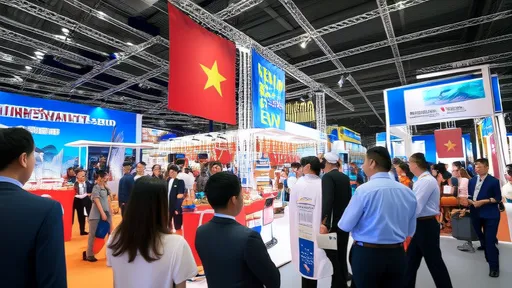
Hanoi's economic landscape continues to demonstrate remarkable resilience and appeal as the capital city recorded nearly $4 billion in foreign direct investment during the first ten months of this year. The impressive figures come amid global economic uncertainties and shifting supply chains, positioning Vietnam's capital as an increasingly attractive destination for international capital.
The latest statistics from Hanoi's Department of Planning and Investment reveal that the city approved 355 new foreign-invested projects with total registered capital exceeding $1.5 billion during the January-October period. Additionally, 144 existing projects received capital adjustments totaling approximately $1.2 billion, while foreign investors contributed around $1.1 billion through capital contributions and share purchases in local enterprises.
Manufacturing and processing industries emerged as the dominant sector, accounting for nearly 40% of the total registered capital. This trend underscores Hanoi's successful transition toward higher-value manufacturing and its growing integration into global supply chains. The city's strategic focus on developing industrial zones and supporting infrastructure has created an environment conducive to manufacturing growth, attracting both established multinational corporations and emerging technology firms.
South Korea maintained its position as Hanoi's largest foreign investor, followed closely by Japan and Singapore. The continued strong performance of these traditional investment partners reflects the depth of economic relationships Hanoi has cultivated over decades. Meanwhile, European investors showed increased interest, particularly in high-technology and sustainable development projects, signaling diversification in the city's investment sources.
The concentration of investments in high-value sectors demonstrates Hanoi's evolving economic profile. Beyond manufacturing, significant capital flowed into real estate, information technology, and professional services. This diversification indicates that foreign investors recognize Hanoi not merely as a production base but as a comprehensive market with growing consumer power and sophisticated business needs.
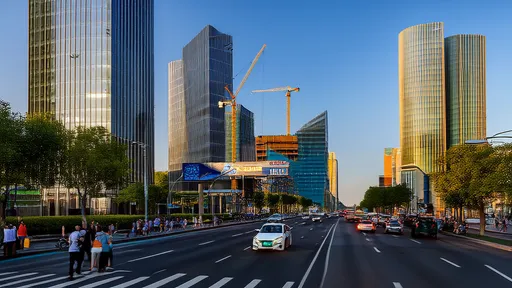
Industry analysts point to several factors driving Hanoi's investment appeal. The city's young, educated workforce continues to be a major draw, particularly for technology-intensive industries. Additionally, Hanoi's improving infrastructure, including the recent expansion of Noi Bai International Airport and ongoing development of transportation networks, has enhanced its connectivity and logistical capabilities.
Government policies have played a crucial role in maintaining investment momentum. Recent administrative reforms have streamlined business registration and licensing procedures, reducing the time required to establish new ventures. The city's commitment to improving the business environment has been recognized through various international rankings that measure ease of doing business and investment attractiveness.
The sustained investment flow also reflects confidence in Vietnam's macroeconomic stability and growth prospects. Despite global economic headwinds, Vietnam has maintained relative price stability and consistent growth, making it stand out in the region. Hanoi, as the political and cultural capital, benefits disproportionately from this stability while also serving as a gateway to northern Vietnam's economic corridors.
Strategic location within key economic regions gives Hanoi distinct advantages in attracting quality investment. The city serves as the northern anchor of the North-South Economic Corridor and connects to important maritime routes through Hai Phong port. This geographical advantage has become increasingly valuable as companies seek to diversify their manufacturing bases and supply chains across Southeast Asia.
Environmental considerations are increasingly influencing investment decisions, and Hanoi has responded by promoting green growth and sustainable development. Recent investments in renewable energy, waste management, and eco-friendly technologies indicate alignment with global sustainability trends. The city's master plan includes specific provisions for developing green urban areas and promoting environmentally responsible industries.
The technology sector deserves particular attention, with Hanoi emerging as Vietnam's innovation hub. Investments in software development, digital services, and technology startups have grown significantly, supported by the city's concentration of universities and research institutions. This technological ecosystem not only attracts foreign capital but also fosters homegrown innovation that increasingly competes on regional and global stages.
Challenges remain despite the positive trends. Infrastructure development, while improving, still requires significant investment to keep pace with economic growth. Traffic congestion and urban planning issues continue to present obstacles that the city administration is working to address through various development projects and policy initiatives.
The skilled labor market shows signs of tightening as competition for qualified professionals intensifies. This has prompted both government and private sector initiatives to enhance vocational training and university programs, particularly in technical fields and management. The quality of human resources remains a critical factor in attracting and retaining high-value investments.
Looking ahead, economic experts anticipate continued strong performance in foreign investment, though the composition may shift toward more technology-intensive and service-oriented projects. The implementation of new generation free trade agreements, including the Comprehensive and Progressive Agreement for Trans-Pacific Partnership and the EU-Vietnam Free Trade Agreement, provides additional incentives for European and North American investors.
Hanoi's success in attracting foreign investment reflects broader trends in Vietnam's economic development. The country has positioned itself as a stable, growing market with strategic importance in regional production networks. Hanoi's specific advantages as the capital city, combined with proactive government policies and improving infrastructure, create a compelling case for international businesses seeking opportunities in Southeast Asia.
The city's development trajectory suggests that foreign investment will continue playing a crucial role in economic transformation. As Hanoi moves up the value chain, the quality and sophistication of investments are expected to increase correspondingly. This evolution aligns with national development goals and supports Vietnam's ambition to become a high-middle income country in the coming decades.
While global economic conditions remain uncertain, Hanoi's demonstrated ability to attract diverse foreign investment across multiple sectors provides a strong foundation for continued growth. The city's blend of manufacturing capabilities, growing service sector, and emerging technology ecosystem creates multiple pathways for economic advancement and international integration.
The first ten months' investment results not only demonstrate Hanoi's current appeal but also signal its potential for future development. As international businesses continue to reassess their global footprints in response to changing trade patterns and geopolitical considerations, Hanoi stands well-positioned to capture additional investment flows and strengthen its role as a key economic hub in Southeast Asia.
By /Nov 4, 2025
By /Nov 4, 2025
By /Nov 4, 2025
By /Nov 4, 2025

By /Nov 4, 2025

By /Nov 4, 2025
By /Nov 4, 2025

By /Nov 4, 2025

By /Nov 4, 2025

By /Nov 4, 2025
By /Nov 4, 2025
By /Nov 4, 2025

By /Nov 4, 2025
By /Nov 4, 2025

By /Nov 4, 2025
By /Nov 4, 2025
By /Nov 4, 2025

By /Nov 4, 2025

By /Nov 4, 2025

By /Nov 4, 2025