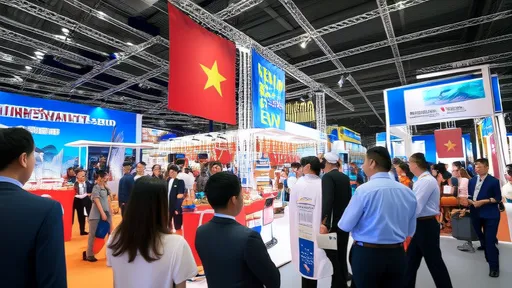
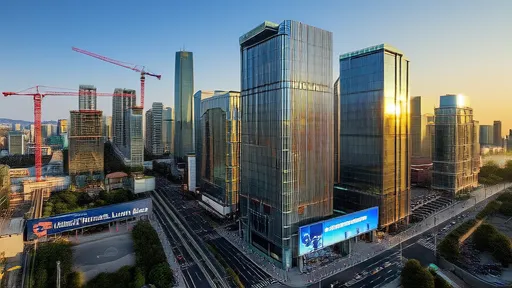
Beijing's Financial Street Forum has concluded with a powerful message about China's commitment to global economic governance and financial market liberalization. The annual gathering, which brought together central bankers, finance ministers, and financial institution leaders from around the world, served as a platform for China to articulate its vision for a more inclusive global financial architecture while demonstrating concrete steps toward opening its financial sector.
The atmosphere at the forum was notably different from previous years, marked by a sense of cautious optimism as China continues to navigate post-pandemic economic recovery. What stood out most prominently was the substantive nature of discussions, moving beyond rhetorical commitments to detailed policy explanations and implementation timelines. Senior Chinese officials presented a coherent narrative about the country's role in shaping global economic governance while addressing international concerns about market access and regulatory transparency.
China's positioning as a responsible stakeholder in global governance emerged as a central theme throughout the proceedings. Senior officials emphasized the country's support for multilateral institutions while advocating for reforms that better reflect contemporary economic realities. The discussions highlighted China's unique position as both a developing economy and a global economic powerhouse, allowing it to bridge perspectives between emerging and developed markets. This balancing act was evident in the nuanced positions taken on issues ranging from debt sustainability to climate finance.
One of the most significant developments was the detailed roadmap provided for financial sector opening. Unlike previous announcements that focused on broad principles, this year's forum featured specific commitments regarding foreign ownership limits, licensing procedures, and market access timelines. The comprehensive nature of these announcements suggested careful preparation and inter-agency coordination, indicating that China's financial opening represents a strategic priority rather than symbolic gesture.
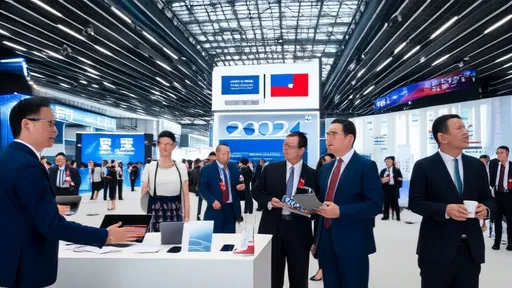
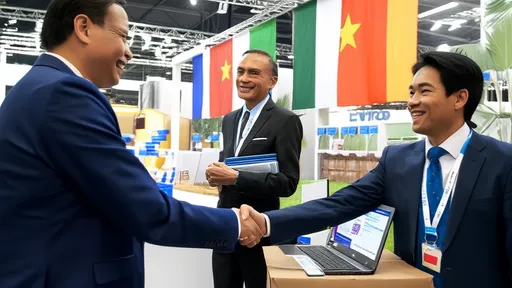
The international response to China's financial liberalization measures has been notably positive, though tempered by practical considerations. Foreign financial institutions with existing China operations welcomed the clarity provided on operational requirements and regulatory expectations. However, many participants emphasized that the true test will come during implementation, particularly regarding the consistency of regulatory interpretation across different provinces and financial sectors. The forum provided opportunities for direct dialogue between foreign financial executives and Chinese regulators, helping to address specific concerns about operational challenges.
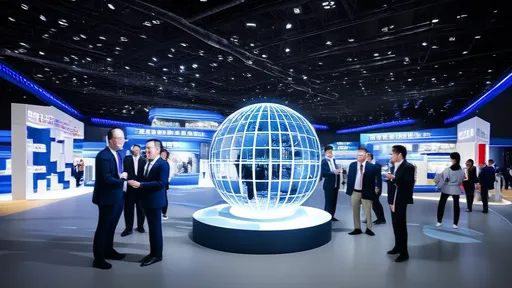
Technology and digital finance represented another major focus area, with China showcasing its advancements in fintech and digital currency. The presentations on China's central bank digital currency attracted particular attention, with detailed explanations of its architecture and potential cross-border applications. Rather than positioning these technological developments as exclusively domestic initiatives, Chinese representatives framed them as contributions to global financial infrastructure that could benefit other economies, especially emerging markets.
Climate finance and sustainable investment emerged as areas where China appears willing to take leadership while collaborating with international partners. The discussions revealed substantial progress in developing China's green finance framework, including taxonomies, disclosure requirements, and financial products. International participants noted the sophistication of China's approach, which incorporates lessons from global best practices while adapting to domestic circumstances. The alignment between China's green finance initiatives and international standards suggests potential for meaningful cooperation despite geopolitical tensions in other areas.
The geopolitical context inevitably influenced discussions, though participants generally maintained a pragmatic focus on economic fundamentals. While acknowledging current tensions in international relations, most speakers emphasized the continued importance of China's integration with global financial markets. The general consensus suggested that financial connectivity could serve as a stabilizing force in international relations, providing channels for dialogue and cooperation even during periods of political friction. This perspective was shared by both Chinese and international participants, though with varying degrees of optimism about near-term prospects.
Market liberalization measures announced at the forum cover multiple dimensions of financial services. Banking sector reforms include expanded scope for foreign banks to conduct yuan business and participate in domestic bond underwriting. Insurance sector openings allow greater foreign ownership in life insurance joint ventures and remove equity caps for asset management companies. Securities market reforms facilitate foreign entry into fund management, futures trading, and investment banking. The cumulative effect of these measures could significantly reshape China's financial landscape over the coming years.
Implementation challenges received considerable attention during technical sessions. Foreign participants raised practical questions about licensing timeframes, capital requirements, and regulatory compliance. Chinese regulators provided detailed responses, in some cases committing to specific procedural improvements. The constructive nature of these exchanges suggested genuine interest in addressing operational barriers rather than simply announcing policy changes. This practical focus differentiated the current round of financial opening from previous initiatives that sometimes struggled with implementation gaps.
China's domestic financial reforms provided important context for the international discussions. Participants recognized that financial opening forms part of broader efforts to improve capital allocation, strengthen corporate governance, and enhance risk management within China's financial system. The interconnection between domestic reform and international opening created opportunities for mutual learning, with Chinese regulators expressing interest in international experience while foreign participants sought to understand China's distinctive approach to financial stability.
The relationship between financial opening and capital account liberalization generated particularly nuanced discussions. Chinese officials emphasized the sequential nature of reforms, with financial sector opening preceding broader capital account convertibility. This cautious approach reflects lessons from international experience while acknowledging China's unique circumstances. The discussions suggested that China will maintain managed convertibility while gradually expanding channels for cross-border capital movement, with careful attention to macroeconomic stability and systemic risk.
Internationalization of the renminbi featured prominently in the conversations, though with realistic assessments of both progress and remaining challenges. China appears focused on building international usage of the yuan through trade settlement and investment channels rather than pushing for reserve currency status. The pragmatic approach acknowledges the structural factors that determine international currency status while working to expand practical usage in areas where China has natural advantages, particularly trade with emerging markets and commodity exporters.
The forum also highlighted regional dimensions of China's financial integration. Several sessions focused on financial connectivity within Asia, including infrastructure investment, currency swap arrangements, and regional settlement systems. These discussions positioned China's financial opening as part of broader regional economic integration rather than simply bilateral relationships with Western financial centers. This regional focus complements global ambitions while providing practical testing grounds for new financial channels and products.
Looking forward, the Financial Street Forum demonstrated China's evolving approach to global economic engagement. The combination of substantive policy announcements, detailed implementation plans, and constructive dialogue with international stakeholders suggests a more confident and systematic approach to financial integration. While challenges remain in execution and broader geopolitical context, the direction appears set toward gradual but meaningful opening. The coming years will test whether operational reality matches policy ambition, but the forum provided grounds for cautious optimism about China's financial integration.
The significance of these developments extends beyond specific policy measures to signal China's broader positioning in global economic governance. By combining domestic reform with international opening, China appears to be crafting an approach that maintains distinctive characteristics while increasing connectivity with global financial systems. This balancing act reflects both practical economic considerations and broader strategic positioning in a changing international order.
As participants returned to financial centers from London to Singapore to New York, the prevailing sentiment suggested that China's financial opening warrants serious attention despite inevitable skepticism born of previous cycles of reform and retrenchment. The detailed nature of recent announcements, combined with China's growing weight in global economy, suggests that this round of financial liberalization may have more lasting impact than previous initiatives. The true measure of success will come not from policy announcements but from tangible increases in foreign participation across China's financial sectors in the coming years.
By /Nov 4, 2025

By /Nov 4, 2025
By /Nov 4, 2025
By /Nov 4, 2025
By /Nov 4, 2025

By /Nov 4, 2025
By /Nov 4, 2025

By /Nov 4, 2025

By /Nov 4, 2025
By /Nov 4, 2025

By /Nov 4, 2025
By /Nov 4, 2025

By /Nov 4, 2025
By /Nov 4, 2025

By /Nov 4, 2025
By /Nov 4, 2025
By /Nov 4, 2025
By /Nov 4, 2025
By /Nov 4, 2025

By /Nov 4, 2025