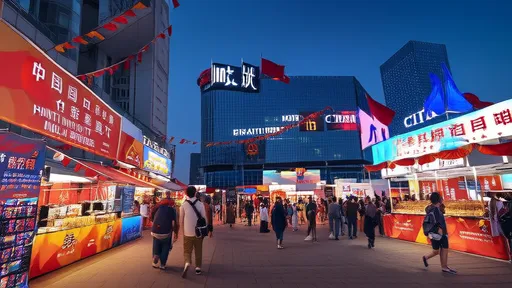
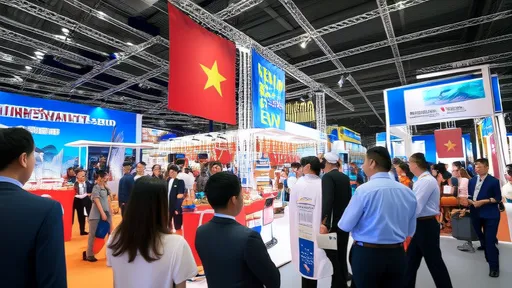
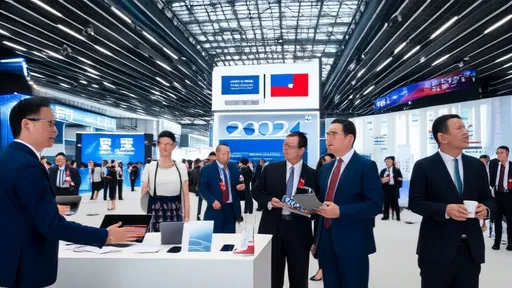
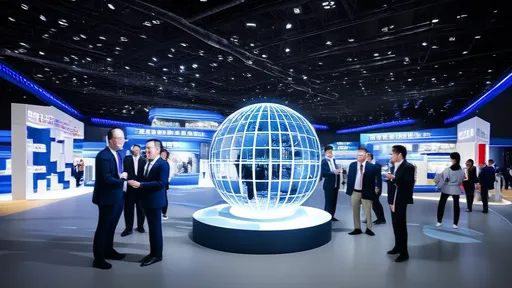
The vibrant halls of Hanoi's National Convention Center echoed with the sounds of commerce and collaboration during the recent Vietnam Autumn Expo, an event that has come to symbolize far more than a simple trade fair. This year's edition, sprawling and ambitious, served as a powerful testament to a fundamental shift in Vietnam's economic statecraft. Observers and participants alike noted that the expo was not merely a marketplace, but a strategic statement—a clear signal that Vietnam's trade promotion policies have undergone a profound and calculated evolution, moving from reactive measures to a proactive, forward-looking national strategy.
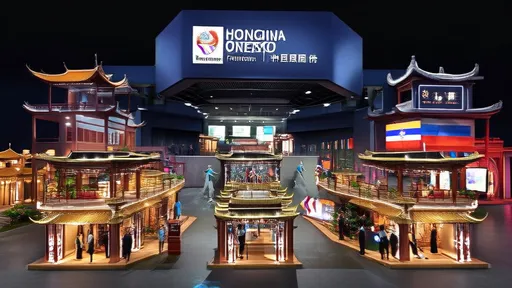
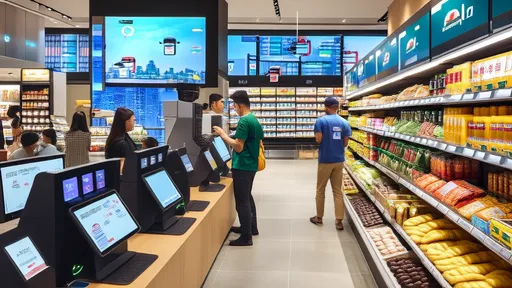
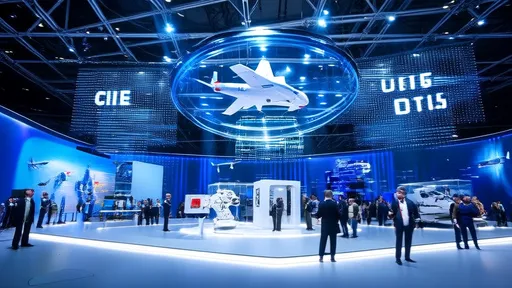
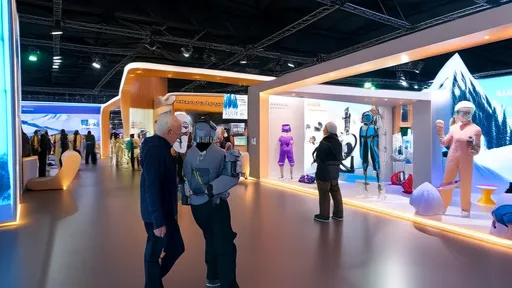
The scale and sophistication of the event were immediately apparent. Unlike previous iterations which focused heavily on traditional sectors like agriculture and textiles, the 2023 expo presented a diversified and technologically advanced face of Vietnam. Whole sections were dedicated to high-tech manufacturing, digital services, and sustainable energy solutions. The palpable buzz around booths showcasing Vietnamese-made semiconductor components, AI-driven logistics platforms, and smart home devices underscored a deliberate pivot. This was no accident; it was the physical manifestation of a policy framework designed to move the nation up the global value chain. The government's "dual transformation" push—digital and green—was on full display, indicating that trade promotion is now intrinsically linked with broader industrial and technological upgrading goals.
This strategic leap is rooted in a series of deliberate policy maneuvers over the past half-decade. The old model of attracting low-cost, labor-intensive manufacturing is being systematically supplemented by a focus on quality and complexity. Key to this has been the aggressive pursuit and implementation of next-generation Free Trade Agreements (FTAs), most notably the EU-Vietnam Free Trade Agreement (EVFTA) and the Comprehensive and Progressive Agreement for Trans-Pacific Partnership (CPTPP). The expo functioned as a live demonstration of how Vietnamese businesses are leveraging these agreements. Exporters were not just offering products; they were showcasing compliance with international standards, understanding of rules of origin, and the ability to integrate into sophisticated supply chains that these treaties facilitate. The policy shift is from opening doors to mastering the architecture of global trade.
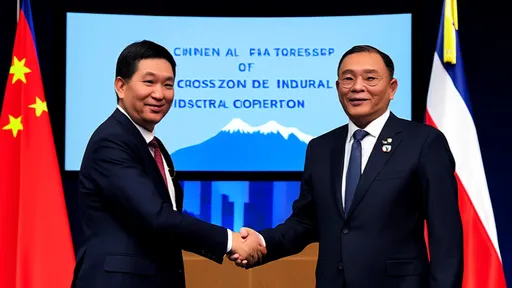
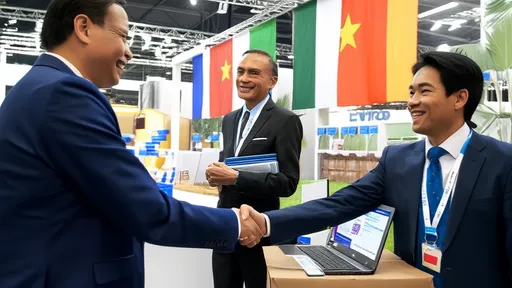
Furthermore, the expo highlighted a critical new dimension of Vietnam's trade strategy: a nuanced and assertive approach to economic diplomacy. The guest list read like a who's who of regional and global economic powerhouses, with high-level delegations from Europe, North America, Japan, South Korea, and ASEAN partners. The sideline meetings and investment forums were as consequential as the exhibition itself. This reflects a policy that understands trade promotion as inseparable from geopolitical positioning. In an era of supply chain reconfiguration, Vietnam is actively marketing itself not just as a manufacturing alternative, but as a stable, reliable, and strategically located hub. The expo was a stage for reinforcing these diplomatic and economic partnerships, turning trade fairs into instruments of foreign policy.
A particularly striking feature was the emphasis on the domestic private sector as the new engine of growth. While foreign direct investment (FDI) remains crucial, the expo spotlighted a new generation of dynamic Vietnamese enterprises. These companies, many of them startups and SMEs, exhibited a level of innovation, branding, and global ambition previously unseen. This is a direct outcome of policy reforms aimed at improving the business environment, enhancing access to finance, and fostering a culture of innovation. The government's role appears to have shifted from direct intervention to that of a facilitator and platform-builder, creating an ecosystem where domestic champions can emerge and compete on the world stage. The success of these homegrown firms at the expo is the most tangible evidence that the strategic leap in trade policy is yielding concrete results at the micro-economic level.
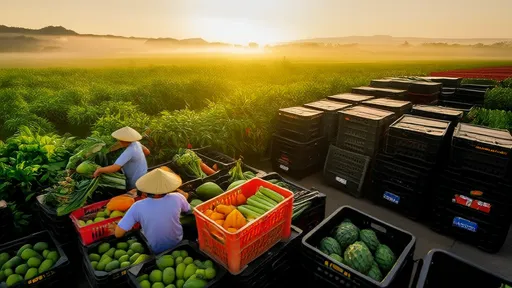
The thematic focus on sustainability and the green economy was another powerful indicator of strategic maturity. Entire pavilions were dedicated to organic agriculture, renewable energy technology, and circular economy models. Vietnamese coffee producers showcased certified sustainable blends, while tech firms presented energy-efficient solutions. This alignment with global environmental, social, and governance (ESG) trends is a calculated move. It demonstrates that Vietnam's trade policymakers are not just looking at current market demands but are anticipating the future contours of global commerce. By promoting green exports, they are future-proofing the nation's trade portfolio and enhancing its brand as a responsible trading partner, which in turn unlocks access to more discerning and high-value markets.
In conclusion, the Vietnam Autumn Expo has shed its former skin as a routine commercial gathering. It has been transformed into a comprehensive showcase of a nation in the midst of a strategic economic metamorphosis. The event convincingly argued that Vietnam's trade promotion is no longer a series of tactical initiatives but a cohesive, multi-pronged strategy. This strategy seamlessly integrates industrial policy, diplomatic outreach, domestic entrepreneurial empowerment, and a forward-looking commitment to sustainability. The success of the expo is not measured merely in contracts signed on the floor, but in the powerful message it sent to the world: Vietnam has thoughtfully and decisively elevated its game, positioning itself not as a passive participant in global trade, but as a strategic and ambitious shaper of its own economic destiny.
By /Nov 4, 2025

By /Nov 4, 2025
By /Nov 4, 2025
By /Nov 4, 2025
By /Nov 4, 2025

By /Nov 4, 2025
By /Nov 4, 2025

By /Nov 4, 2025
By /Nov 4, 2025
By /Nov 4, 2025
By /Nov 4, 2025
By /Nov 4, 2025
By /Nov 4, 2025
By /Nov 4, 2025

By /Nov 4, 2025
By /Nov 4, 2025
By /Nov 4, 2025
By /Nov 4, 2025
By /Nov 4, 2025

By /Nov 4, 2025