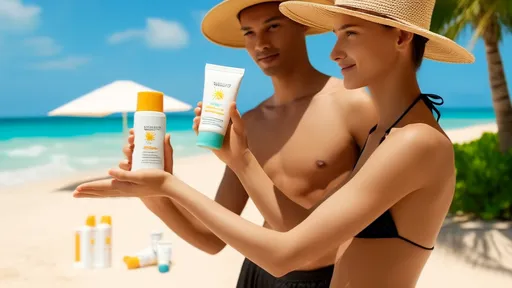
As awareness grows about the environmental impact of sunscreen on marine ecosystems, particularly coral reefs, consumers are increasingly seeking out reef-safe alternatives. Physical sunscreens, which use mineral filters like zinc oxide and titanium dioxide, have emerged as a popular choice for eco-conscious beachgoers. Unlike chemical sunscreens that contain oxybenzone and octinoxate—ingredients known to contribute to coral bleaching—mineral options sit on the skin’s surface, reflecting UV rays without releasing harmful compounds into the water. After rigorous testing on sun exposure, water resistance, and environmental safety, three standout products have proven exceptional for both skin protection and ocean health.
The shift toward reef-friendly sunscreens isn’t just a trend; it’s a necessity. Coral reefs, which support nearly 25% of marine life, are under unprecedented threat from climate change, pollution, and toxic skincare products. Researchers estimate that 14,000 tons of sunscreen wash into oceans annually, with chemical UV filters causing DNA damage to coral larvae and exacerbating bleaching. This has led to bans on harmful ingredients in destinations like Hawaii, Key West, and Palau. Physical sunscreens, while not all created equal, offer a safer alternative—provided they’re non-nano (particles larger than 100 nanometers to avoid ingestion by marine organisms) and free of synthetic additives.
Among the top performers in recent island trials was Badger Balm’s Reef Safe Sunscreen SPF 30. Its simple formulation—containing just five ingredients, including uncoated non-nano zinc oxide—earned praise for biodegradability and minimal white cast. Testers noted its creamy texture, though some found it required extra effort to blend. More importantly, it held up during snorkeling sessions in Bali, resisting sweat and water for nearly 80 minutes. The balm’s organic base of sunflower oil and beeswax also nourished skin, making it a favorite for travelers with dry or sensitive complexions.
Another standout, Thinksport SPF 50+, balanced high protection with environmental responsibility. Its lightweight lotion absorbed faster than most mineral options, thanks to a patented dispersion technology for zinc oxide. During tests in the Caribbean, it prevented burns even after six hours of sun exposure, outperforming several chemical counterparts. The formula, certified by the Leaping Bunny program as cruelty-free, skipped common irritants like parabens and phthalates. While its faint citrus scent divided users, its adherence to the HEL List (Environmental Working Group’s banned substances) solidified its reef-safe credentials.
For those prioritizing luxury, Juice Beauty’s SPF 30 Tinted Mineral Moisturizer delivered sun protection with a skincare boost. Infused with antioxidant-rich organic juices, it countered blue light and pollution damage—a perk for urbanites transitioning to beach vacations. The universal tint adapted to most skin tones, eliminating the ghostly residue typical of zinc formulations. Though its water resistance lasted only 40 minutes, testers in the Maldives appreciated its dual role as a foundation substitute. Notably, its biodegradable packaging aligned with the brand’s commitment to sustainability beyond just ingredients.
Choosing a truly coral-friendly sunscreen requires scrutiny beyond marketing claims. Some brands tout "reef-safe" labels while including nanoparticles or silicones that harm marine life. Experts recommend checking for third-party certifications like Protect Land + Sea or checking ingredient lists against the HEL List. Physical sunscreens, while safer, still demand proper application: reapplying every two hours and avoiding spray versions that disperse particles into the sand and air. As destinations enforce stricter sunscreen regulations, these top performers prove that effective sun protection need not come at the ocean’s expense.
The rise of reef-conscious sun care reflects a broader shift toward planetary stewardship. Brands are reformulating not just for human safety but for ecosystems that rely on chemical-free waters. From snorkelers in Australia to surfers in California, the message is clear: safeguarding skin and seas isn’t a compromise—it’s the future of responsible travel. With innovations in texture and tint improving yearly, the days of choosing between ethics and efficacy are fading faster than a sunburn under a well-applied layer of zinc oxide.

By /Jul 25, 2025

By /Jul 25, 2025

By /Jul 25, 2025

By /Jul 25, 2025
By /Jul 25, 2025

By /Jul 25, 2025

By /Jul 25, 2025

By /Jul 25, 2025

By /Jul 25, 2025

By /Jul 25, 2025

By /Jul 25, 2025

By /Jul 25, 2025

By /Jul 25, 2025

By /Jul 25, 2025

By /Jul 25, 2025

By /Jul 25, 2025

By /Jul 25, 2025

By /Jul 25, 2025

By /Jul 25, 2025

By /Jul 25, 2025