In an era where urban travel and daily commutes expose individuals to potential theft, the demand for innovative anti-theft solutions has surged. Among the most promising developments is the rise of specialized anti-theft backpacks, designed with cutting-edge materials and covert compartments to outsmart pickpockets. Recent hands-on testing of these bags reveals just how effective they can be—when engineered with the right features.
The cornerstone of any reliable anti-theft backpack is its fabric. Traditional bags rely on durability, but anti-theft models take it further by integrating slash-resistant materials. During testing, samples made with high-density polyethylene (HDPE) or layered aramid fibers demonstrated remarkable resistance to knives and sharp tools. Even when subjected to aggressive slashing attempts, the fabric held firm, preventing access to the bag’s contents. This isn’t just theoretical—real-world scenarios where thieves use razors to cut through straps or exteriors were simulated, and the results were consistently impressive.
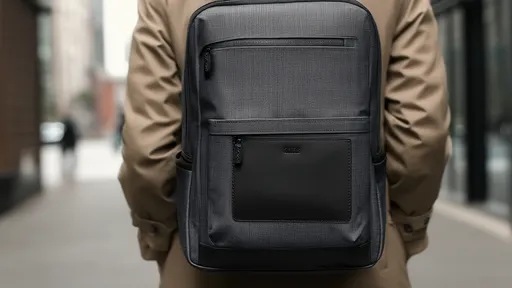
Beyond the fabric, the stitching and zipper design play pivotal roles. Many anti-theft backpacks feature reinforced stitching with tamper-resistant thread, making it difficult for thieves to rip seams open. Zippers, often a weak point, are either hidden beneath flaps or designed with locking mechanisms. Some models even incorporate RFID-blocking pockets, adding a layer of security against digital theft. These elements combine to create a barrier that’s far more formidable than what standard backpacks offer.
However, material strength alone isn’t enough. Clever design is what truly sets these bags apart. Hidden compartments are a game-changer, allowing users to stash valuables in places thieves wouldn’t think to check. Tested models included pockets discreetly tucked against the wearer’s back, secret sleeves beneath the main compartment, and even false bottoms. These features proved invaluable in crowded environments like subway stations or tourist hotspots, where distractions are plentiful and thieves operate quickly.
Ergonomics also came into play during testing. A common flaw in early anti-theft designs was bulkiness—adding layers of security often meant sacrificing comfort. Newer iterations, however, strike a balance. Lightweight yet resilient materials ensure the bag doesn’t weigh the user down, while strategic padding and adjustable straps maintain comfort during extended wear. Some designs even incorporate ventilated back panels to reduce sweat, a small but appreciated detail for daily commuters.
Practicality extends to accessibility. While security is paramount, users still need quick access to essentials like phones or transit cards. Tested models addressed this with intelligently placed quick-access pockets, often secured by magnetic clasps or water-resistant zippers. These pockets were designed to be reachable without removing the backpack, yet positioned in a way that made surreptitious access by thieves nearly impossible.
The real test came in live environments. Testers wore the backpacks in high-risk areas, simulating absentminded behavior—leaving zippers partially open, wearing the bag loosely, or standing in crowded queues. In nearly every case, the anti-theft features thwarted attempted thefts. Hidden compartments went unnoticed, and slash-resistant materials prevented any breaches. Even when testers were jostled or bumped, the bags’ designs kept contents secure.
User feedback highlighted subtle but critical details. For instance, one model featured a subtle "warning" tag that alerted the wearer if someone tampered with the bag—a small vibration or sound triggered by unauthorized opening attempts. Another included a built-in cable lock, allowing the bag to be tethered to a fixed object in public spaces. These additions, while minor, significantly enhanced the overall sense of security.
Of course, no product is flawless. Some testers noted that the most secure bags often came with a higher price tag, putting them out of reach for budget-conscious buyers. Others found certain designs overly complex, with too many compartments leading to occasional difficulty locating items. However, the consensus was clear: for travelers, students, or urban dwellers in high-theft areas, the investment in a well-designed anti-theft backpack is justified.
As theft techniques evolve, so too must defensive measures. The latest generation of anti-theft backpacks demonstrates that innovation in material science and design can provide meaningful protection without sacrificing style or comfort. For those prioritizing security in their daily lives, these bags aren’t just an accessory—they’re a necessity.

By /Jul 25, 2025

By /Jul 25, 2025
By /Jul 25, 2025

By /Jul 25, 2025

By /Jul 25, 2025

By /Jul 25, 2025

By /Jul 25, 2025

By /Jul 25, 2025

By /Jul 25, 2025

By /Jul 25, 2025

By /Jul 25, 2025

By /Jul 25, 2025

By /Jul 25, 2025

By /Jul 25, 2025

By /Jul 25, 2025

By /Jul 25, 2025

By /Jul 25, 2025
By /Jul 25, 2025

By /Jul 25, 2025
By /Jul 25, 2025